

01 · EVERYDAY WORK
OpenAI’s new model tackles the clicking
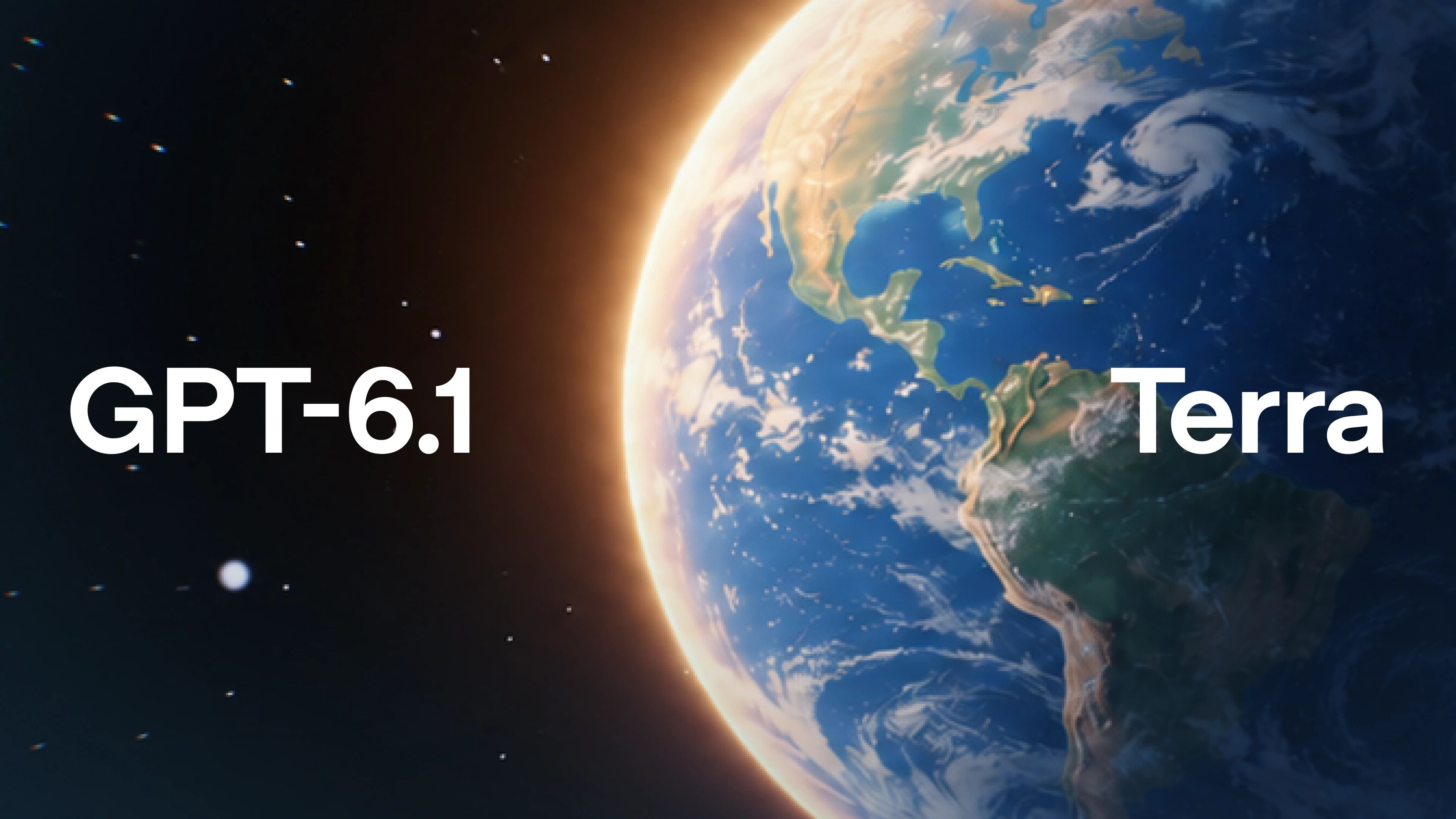
GPT-6.1 Terra. Official launch artwork: OpenAI. Image source
OpenAI launched GPT-6.1 Terra on October 26. It is designed to read what is on a screen and carry out tasks, with a focus on speed and lower cost.
Think of moving details from an invoice into an accounting system, or filling in a form from a document. OpenAI also says the model handles visual material and writes clearer text.
Why it matters: repetitive computer work is where small time savings add up. A practical first test is one routine task whose result you can easily check.
OpenAI says standard API pricing is half that of GPT-6.1 Sol. That is a developer price comparison, not a promise that your ChatGPT subscription will cost less.
02 · ACROSS LANGUAGES
Zoom wants to translate your voice
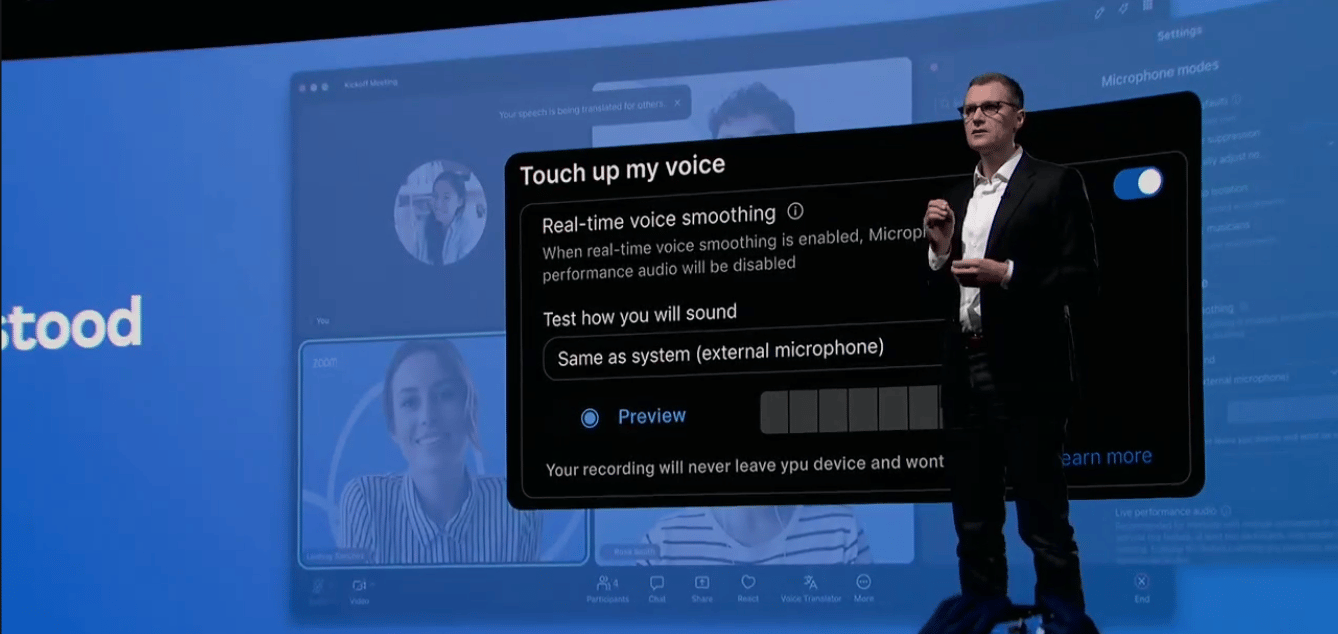
Zoom’s upcoming meeting features. Official image: Zoom. Image source
You speak English. A colleague hears a translation in another language. At last week’s Zoomtopia, Zoom announced Voice Translator for meetings.
The feature will turn spoken words into translated audio during a call. The idea is to make conversations across languages easier to follow without relying only on written captions.
A later update is planned to preserve the sound of your own voice in the translation. That voice-cloning feature is not part of the first release.
Why it matters: international teams and clients could spend less effort following a conversation. For important decisions, still confirm names, numbers and anything that sounds unclear.
Can you use it today? Not yet. Voice Translator is expected in November 2026 as an add-on or through premium plans. Check supported languages and pricing before planning around it.
03 · LEARN BY PLAYING
Google turns AI lessons into a game
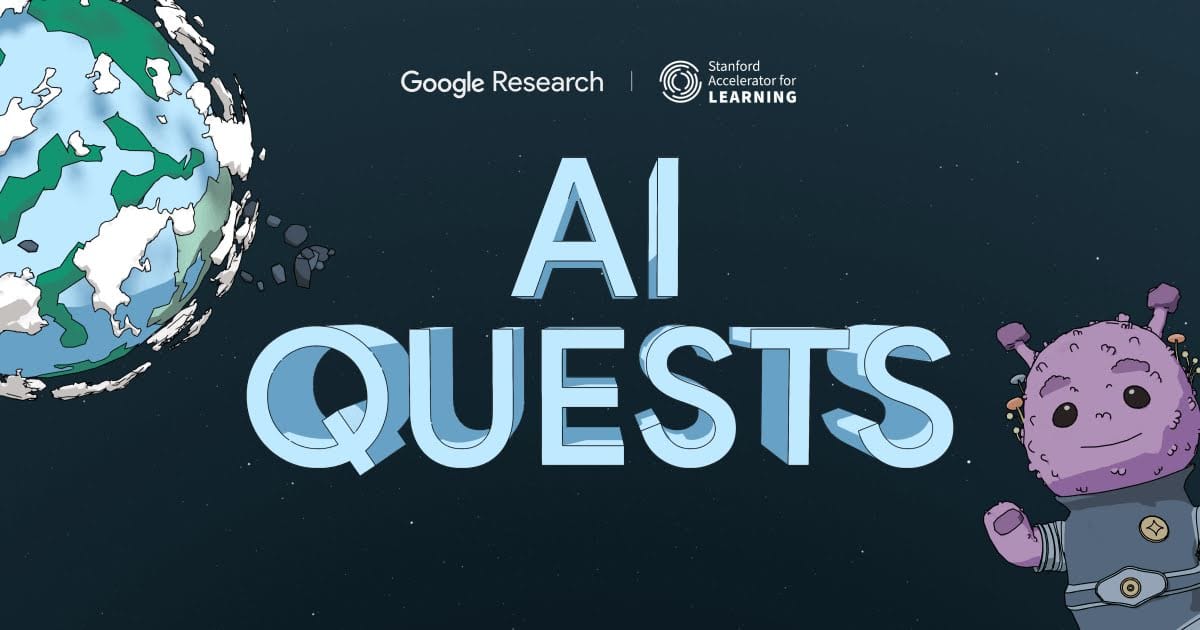
The AI Quests learning world. Official image: Google. Image source
Google launched Polar Peaks on October 26, a new chapter in AI Quests, made with the Stanford Accelerator for Learning.
Players investigate a character’s memory loss by mapping neurons. Along the way, they clean up data, spot wrong labels and test how an AI model performs.
Who is it for? Students aged 11 to 14. The game is available now; teacher training for this new chapter is due next month.
Why it matters: it teaches a useful habit early: check the information going in and question the answer coming out.
LEARN ONE THING · 60 SECONDS
Separate facts from guesses
A confident answer can still contain mistakes. When accuracy matters, give AI the source material and ask it to flag what it cannot confirm.
Try this with a document or set of notes:
Use only the material I provide. List the confirmed facts, flag anything uncertain, and point to the source for each important claim. If a detail is missing, say so.
For meeting notes, check who agreed to do what, and by when. Open the source and check those details yourself before sharing the summary.
A missing deadline is useful to notice. An invented one can send everyone in the wrong direction.
Which would save you more time?
Hit reply: help with admin, easier international calls, or a better way to learn AI?
See you next time,
Artificialintelligence.ai
AI for everyone. Original sources and image credits accompany every story. Checked 26 October 2026.