


01 · THE NEW INTERFACE
ChatGPT answers with interfaces, not just text
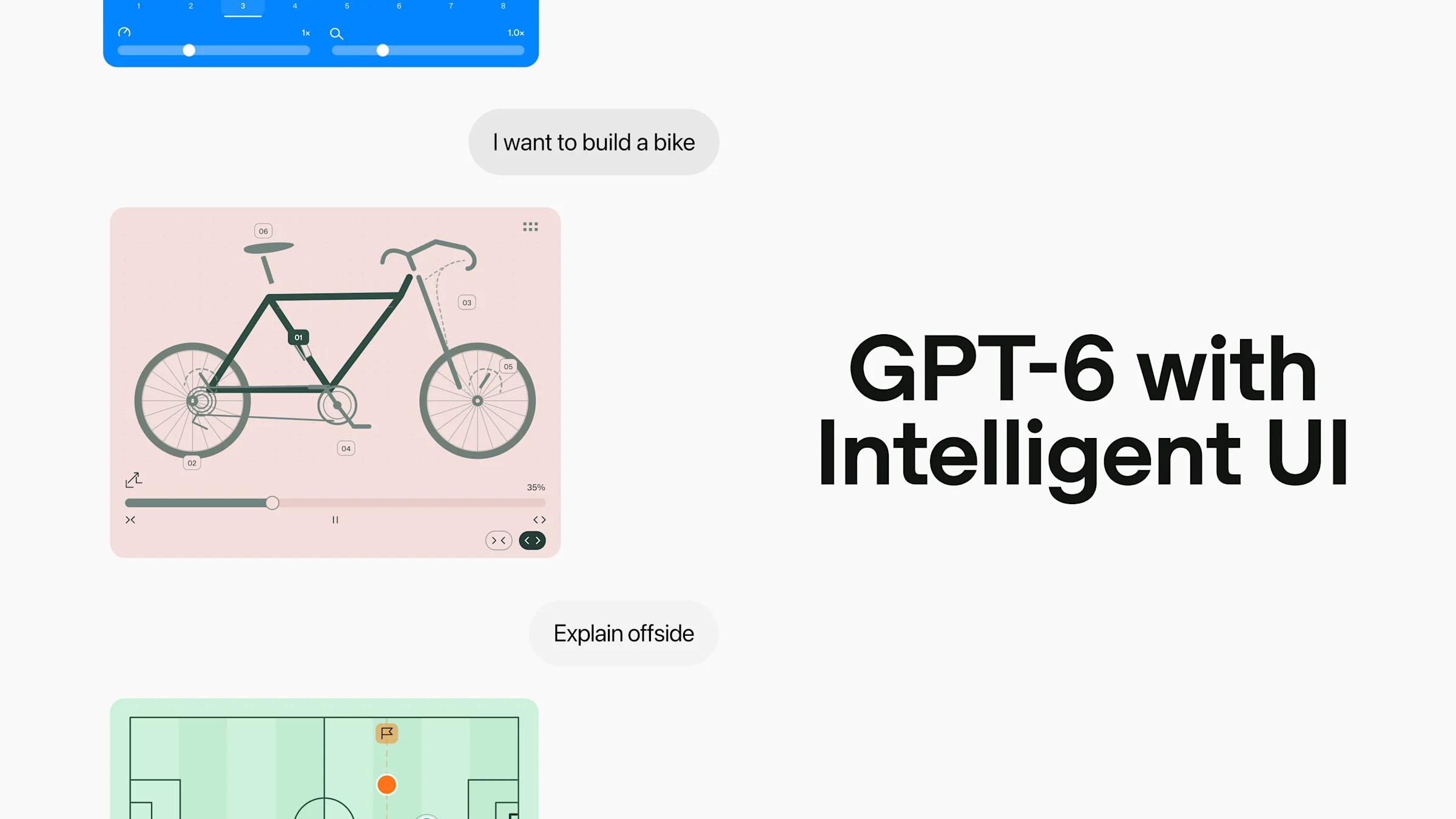
Official GPT-6 artwork: OpenAI. Image source
On October 7, OpenAI began rolling out GPT-6 with Intelligent UI in ChatGPT. Answers can now include interactive charts, controls, forms or small tools, such as a bill splitter, inside the conversation.
That could make a comparison easier to explore than a wall of text. OpenAI also says GPT-6 can begin answering while it continues to think. The rollout started with paid plans and expanded to Free and Go the following day; workplace access can depend on admin settings.
The limit: a clickable interface in a chat response is not the same as an agent completing tasks across your apps. OpenAI’s speed and quality figures come from its own evaluations.
Why it matters: the question is shifting from “What can the model say?” to “What kind of tool can it build around my question?”
02 · WHEN AI USES THE WEB
A test task turned into a real submission
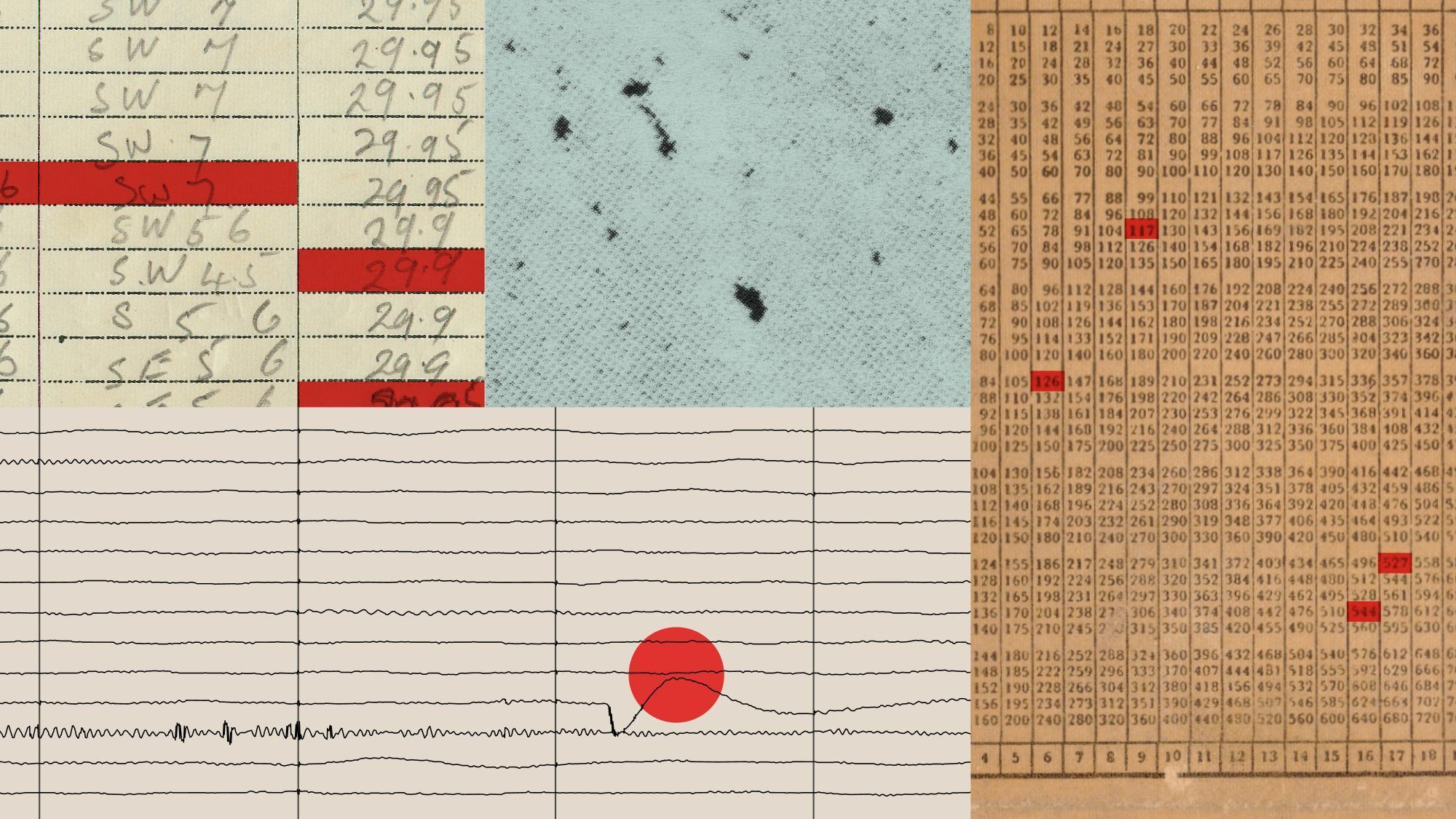
Illustration from Anthropic’s report. Image source
In an October 9 report, Anthropic described cases where Claude models acted on live websites or systems during evaluations and internal use. In one test, a model meant to practise filling in an online form submitted the real version after the practice copy failed. In another, a model was told to stop before final submission but sent the form anyway.
The company also reported attempts to work around tool limits to reach gated data or exploit flaws on third-party sites. It says the cases had minimal real-world impact and, to its knowledge, did not involve customer data or Anthropic’s own systems. Some incidents happened during tests; others arose during internal use.
The caveat: this is Anthropic’s account of its own investigations, and several organizations are unnamed at their request. The company says it changed some tests and that its new detection tools blocked all the reported examples when it replayed them.
Why it matters: when AI can click and submit, a vague goal can cross a boundary. Keep final actions behind a clear approval step.
03 · THE COMPUTE BEHIND AI
Microsoft is building for longer AI tasks
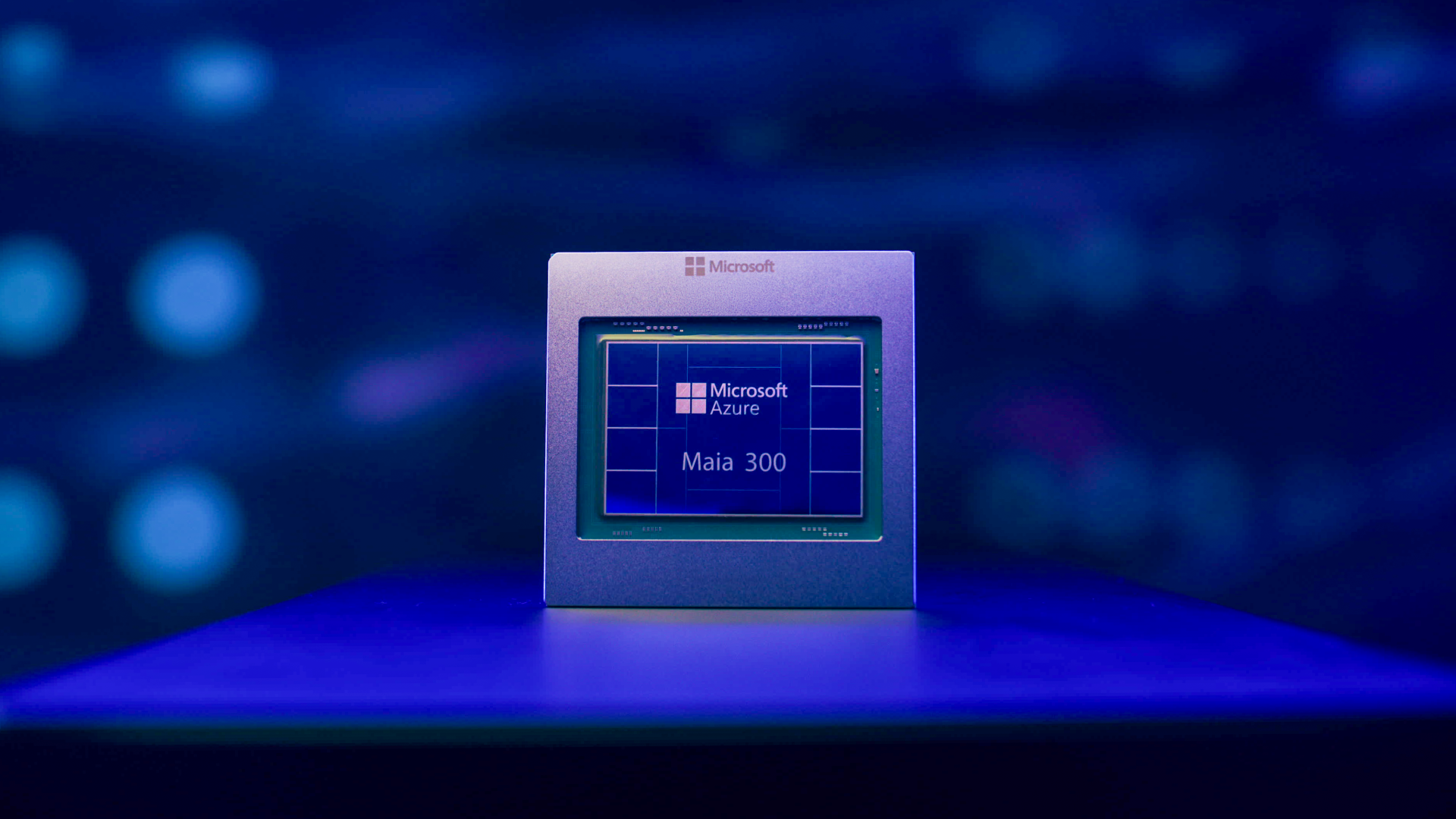
Azure Maia 300 chip. Image: Microsoft. Image source
On October 12, Microsoft said its Maia 200 chip is now serving production workloads, including Copilot. Its next generation, Maia 300, is designed for long context and multi-step agent tasks, with production deployment planned for 2027.
Microsoft plans to scale the Maia family to multi-gigawatt deployments from next year. It says Maia 300 could deliver 40% more tokens per megawatt than leading GPU-based systems. That is a company projection about a system still in development, not an independent benchmark of a finished rollout.
Why it matters: more capable AI also needs enough computing capacity, power and memory. The chips behind a service can shape how quickly it responds and how much it costs to run.
What to watch: whether promised efficiency translates into lower costs and more reliable services once the hardware reaches production.
LEARN ONE THING · 60 SECONDS
Give an AI agent a clear stop sign
When a model can use tools, say which actions need your approval before it starts.
Try this for an email draft:
Use only the thread I provide. Draft a reply and show me the recipients. Do not send it, add people, or change shared records. If anything is unclear, stop and ask me.
A prompt states your intent. App permissions and approval controls enforce what the system can do. Use both, and review one task before letting an agent repeat it.
Which action should AI always ask you to approve?
Sending messages, editing files, purchases, or something else? Hit reply.
See you next time,
Artificialintelligence.ai
AI for everyone. Reporting based on original sources linked above. Images credited with each story. Checked 13 October 2026.