

01 · AT WORK
Gemini gets a role on the team
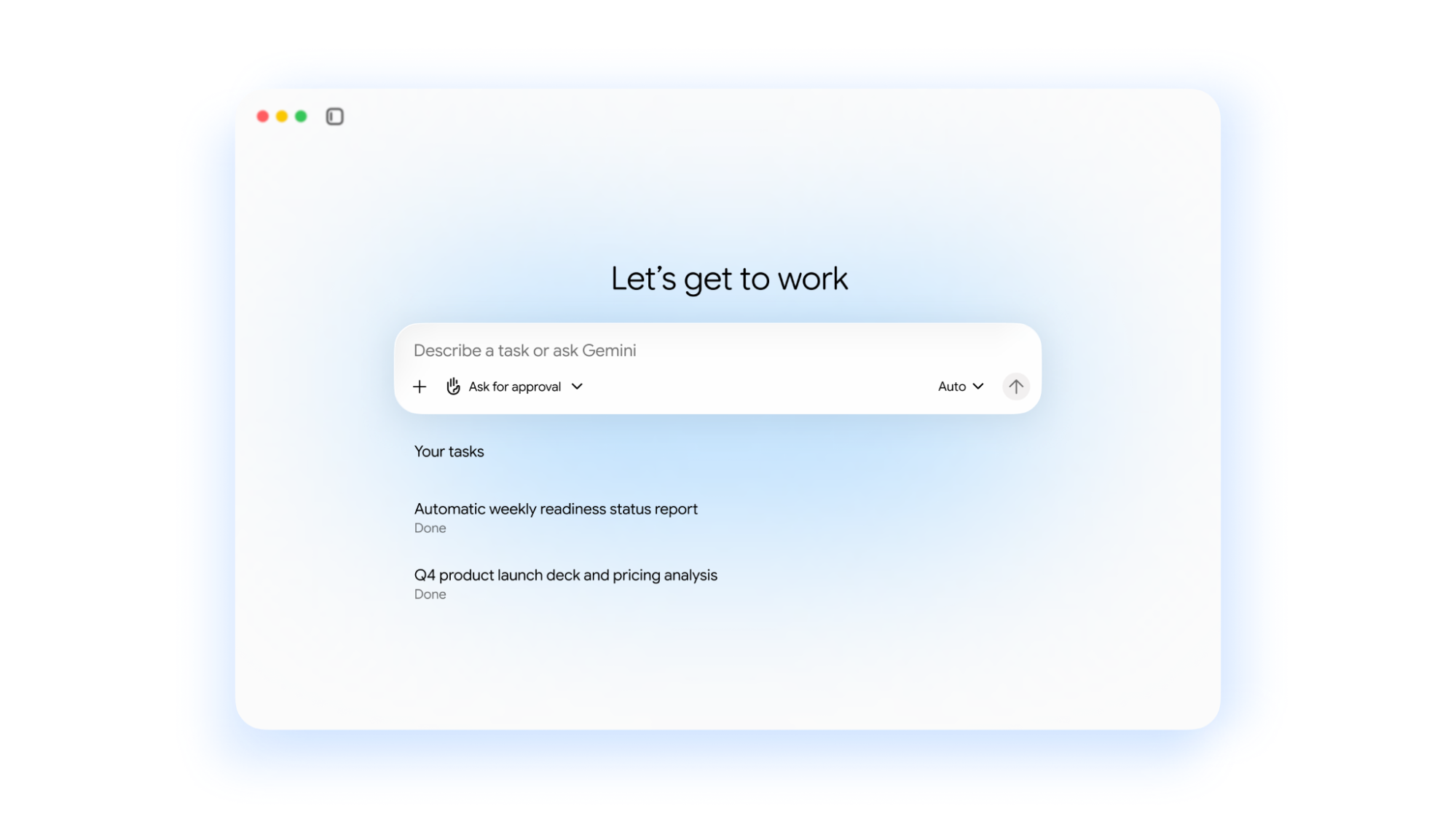
Official product illustration: Google Cloud. Image source
On October 8, Google Cloud announced the Gemini agent: a system designed to plan and complete work across business tools. Google describes tasks continuing in the cloud after you close your laptop, with smaller agents handling parts of the job.
The striking detail is its proposed place in the team. A coworker agent can have its own Workspace identity, including an email address, calendar and Drive. Google says its actions are recorded under that identity, with access governed by organisational permissions.
Why it matters: a separate identity could make it easier to see which changes came from AI and which came from a colleague. That matters when an assistant starts editing shared work or coordinating tasks.
Know before you try: this is an enterprise announcement. Access and capabilities depend on the organisation’s setup; it should not be read as an automatic upgrade to every personal Gmail account. These are Google’s product claims, rather than our own test results.
02 · IN YOUR NEWS FEED
Fake writers reached real publications
In an October 8 report, OpenAI said it had banned accounts linked to two covert influence operations originating in Russia and Iran. The operators combined AI with existing tactics to hide who was behind their activity.
One operation used seven invented journalist identities to pitch articles. OpenAI says it identified almost 100 articles published or syndicated under those bylines across roughly a dozen online outlets. AI helped with editing, pitches and other supporting work; the report does not establish that every article was entirely AI-generated.
Why it matters: fluent writing and a professional-looking byline are weak evidence of a trustworthy source. The route into an established publication can matter as much as the technology used to produce the text.
The limit: this is OpenAI’s investigation into activity it could observe, not a complete measurement of online influence or proof of how many readers changed their minds.
03 · BEHIND THE SERVICES WE USE
Anthropic turns AI towards cyber defence
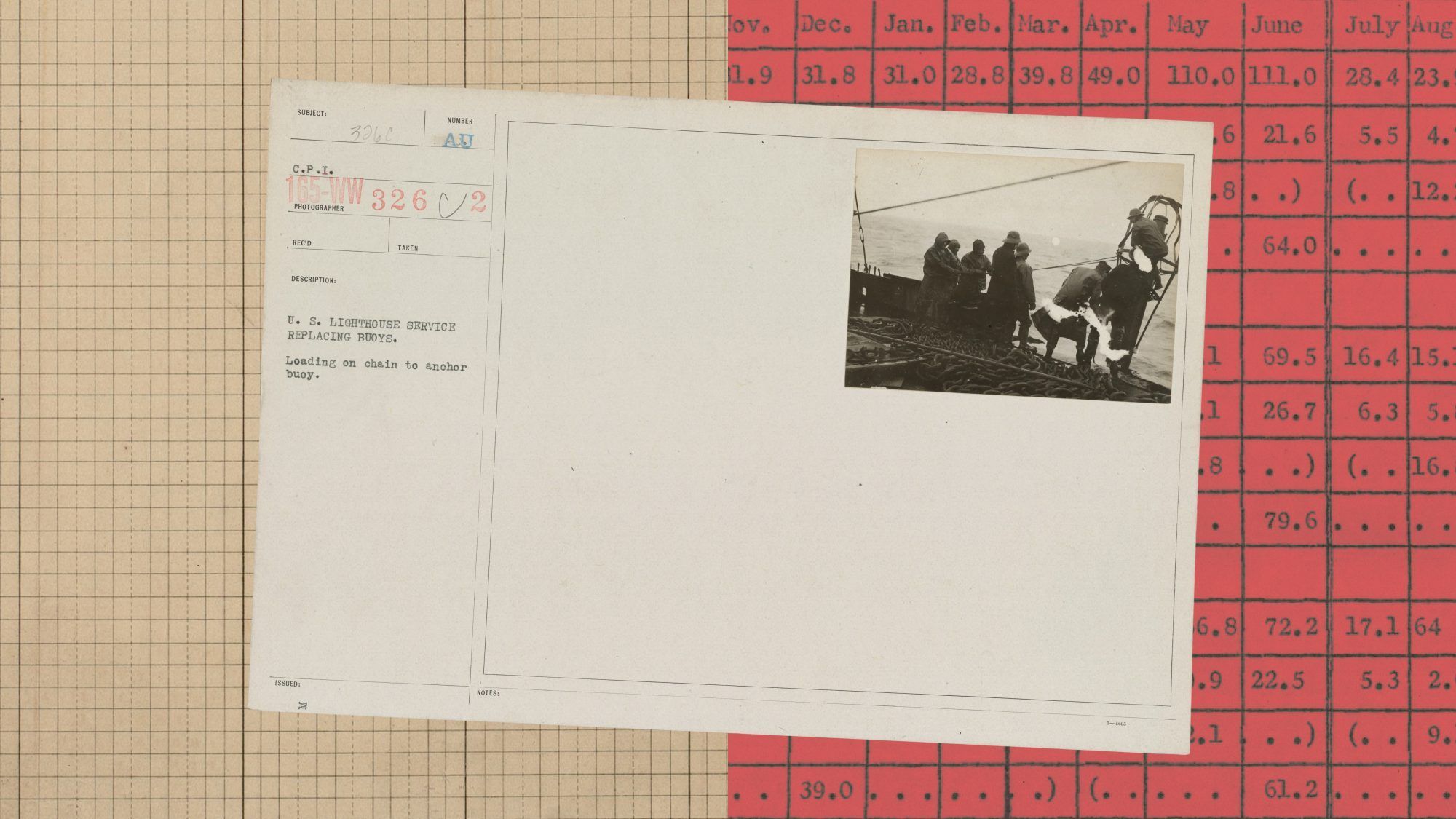
Illustration from the Cyber Mission announcement: Anthropic. Image source
Also on October 8, Anthropic introduced its Cyber Mission. One part brings Claude models, engineers and threat research to providers that protect systems such as power grids, water utilities and transport networks.
Another is OSS Scanner, a free, opt-in service that checks open-source software for security flaws. Enrolled projects receive reports explaining potential vulnerabilities and suggesting fixes where available.
The important detail: Anthropic says these scanner reports are generated by models and sent without human review. Some may contain errors, including incorrect severity ratings. The service is aimed at maintainers with the capacity to assess the findings.
Why it matters: finding a possible weakness is only one step. Someone still needs to verify it, choose the right fix and deploy that fix safely. The value will come from problems resolved, not simply the number of reports produced.
LEARN ONE THING · 60 SECONDS
Separate the task from the permission
“Handle this for me” leaves a lot unsaid. A useful instruction names both the result you want and the actions you are comfortable delegating.
For example, when preparing a meeting:
Prepare a one-page meeting brief from the documents I provide. Link each key point to its source and flag anything uncertain. Draft follow-up messages for my review. Ask before sending messages, changing shared files or adding calendar events.
A prompt is a statement of your intent. App permissions and approval controls are what enforce access. Use both, then review a small task before handing over a recurring one.
When reviewing the result, open a source link and check that it supports the claim beside it. A citation is a starting point for verification.
What would you let an AI handle at work?
Hit reply: meeting preparation, research, routine updates, or something else?
See you next time,
Artificialintelligence.ai
AI for everyone. Reporting and analysis based on the original sources linked above. Images credited alongside each story. Checked 9 October 2026.