

01 · IN YOUR INBOX
ChatGPT can now work with your iCloud inbox
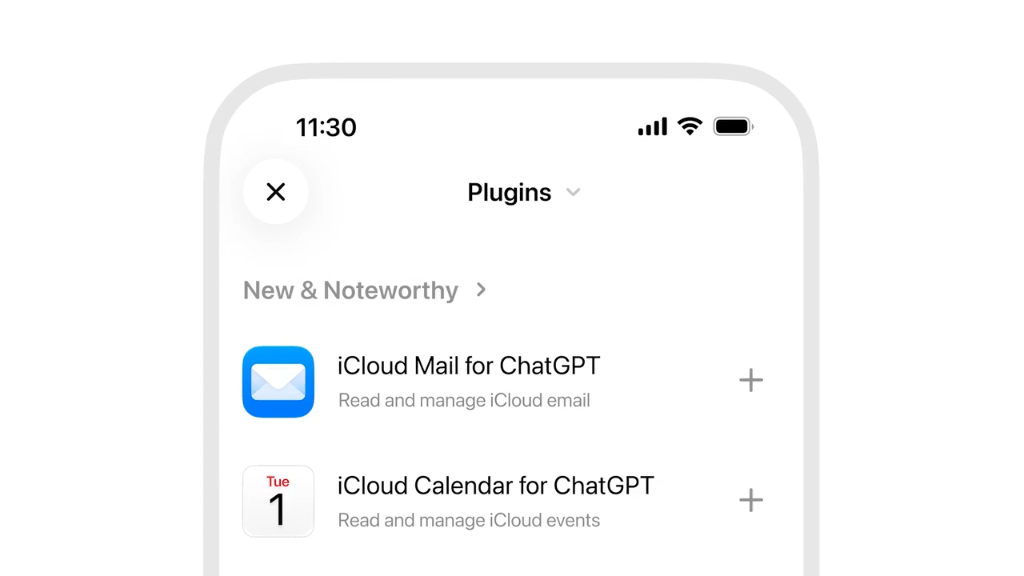
iCloud plugins in ChatGPT. Still from OpenAI’s announcement video. Image source
On October 27, OpenAI added iCloud Mail and iCloud Calendar plugins to ChatGPT on the web, the desktop app and iOS. They are available on all ChatGPT plans.
Once connected, ChatGPT can search your inbox, help you catch up on messages, check your schedule and update calendar events. Mail and Calendar are connected separately, using an Apple app-specific password rather than your regular Apple password.
Why it matters: iPhone users no longer need Gmail or Outlook to get AI help with email and scheduling. The assistant comes to the accounts they already use.
Only addresses ending in @icloud.com, @me.com or @mac.com work. Other accounts added to Apple’s Mail app, such as Gmail, are not included.
When? Rolling out now, according to OpenAI’s release notes. Android is not mentioned yet.
02 · IN YOUR FILES
Gemini lets you edit files without leaving the chat
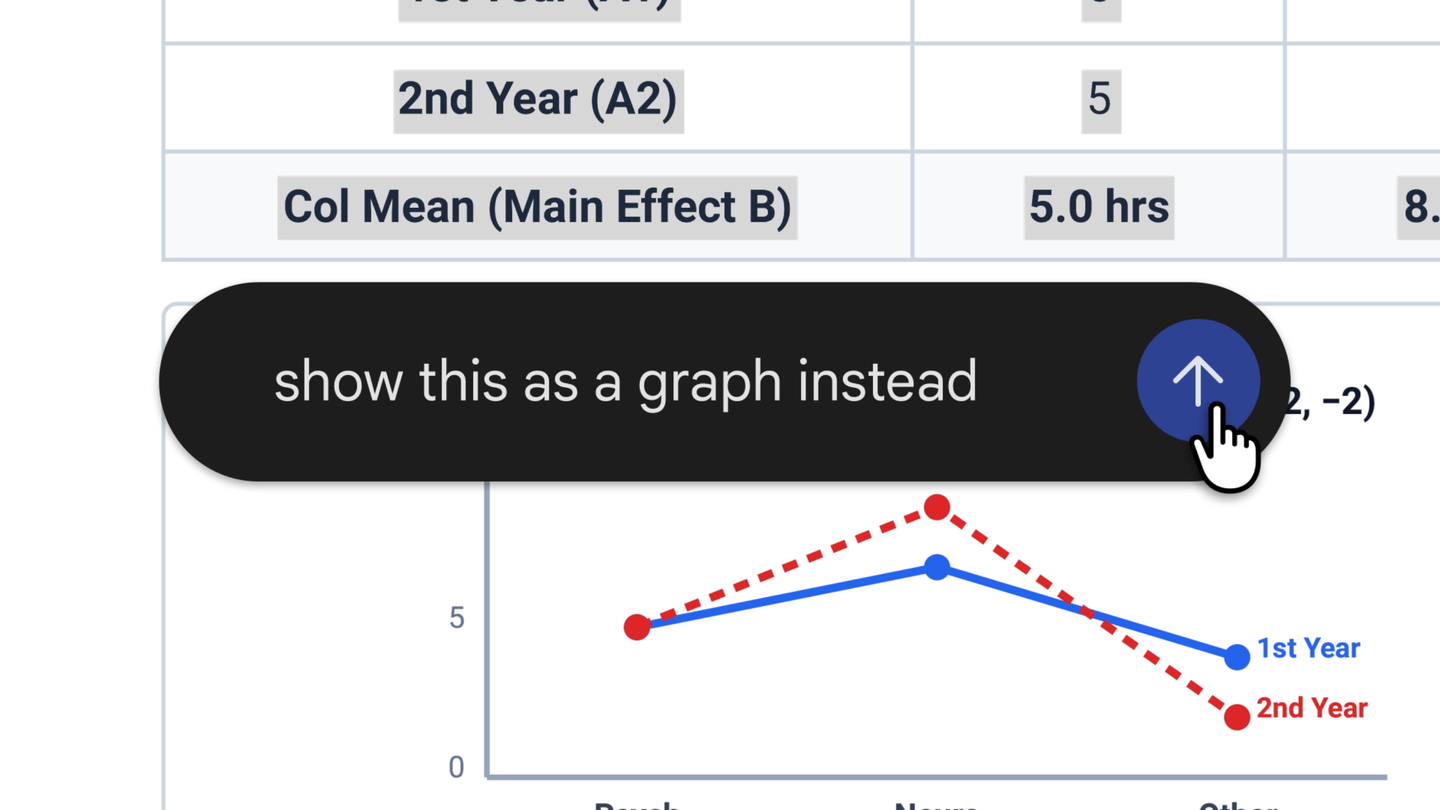
Editing a chart in the Gemini app. Official image: Google. Image source
Making a document with AI often ends with a download and another app to fix it. On October 29, Google said you can now generate, preview and edit documents, PDFs, presentations, spreadsheets and code right inside a Gemini chat.
You can expand a file to full screen and type changes yourself, or highlight a section and ask Gemini to explain or rewrite it. Google’s example: turning handwritten lecture notes into a PDF study guide, then refining it.
PDFs can be previewed and edited on both web and mobile. Google Docs, Sheets, slide decks, Markdown, text files and code are web only for now.
Why it matters: the draft and the corrections happen in one place. It becomes easier to steer the final version yourself instead of re-prompting until the output looks right.
Can you use it today? Yes. Google says it is available to all Gemini app users, in every language the app supports.
03 · IN THE LAB
Free Claude credits reach scientists through 20 partners
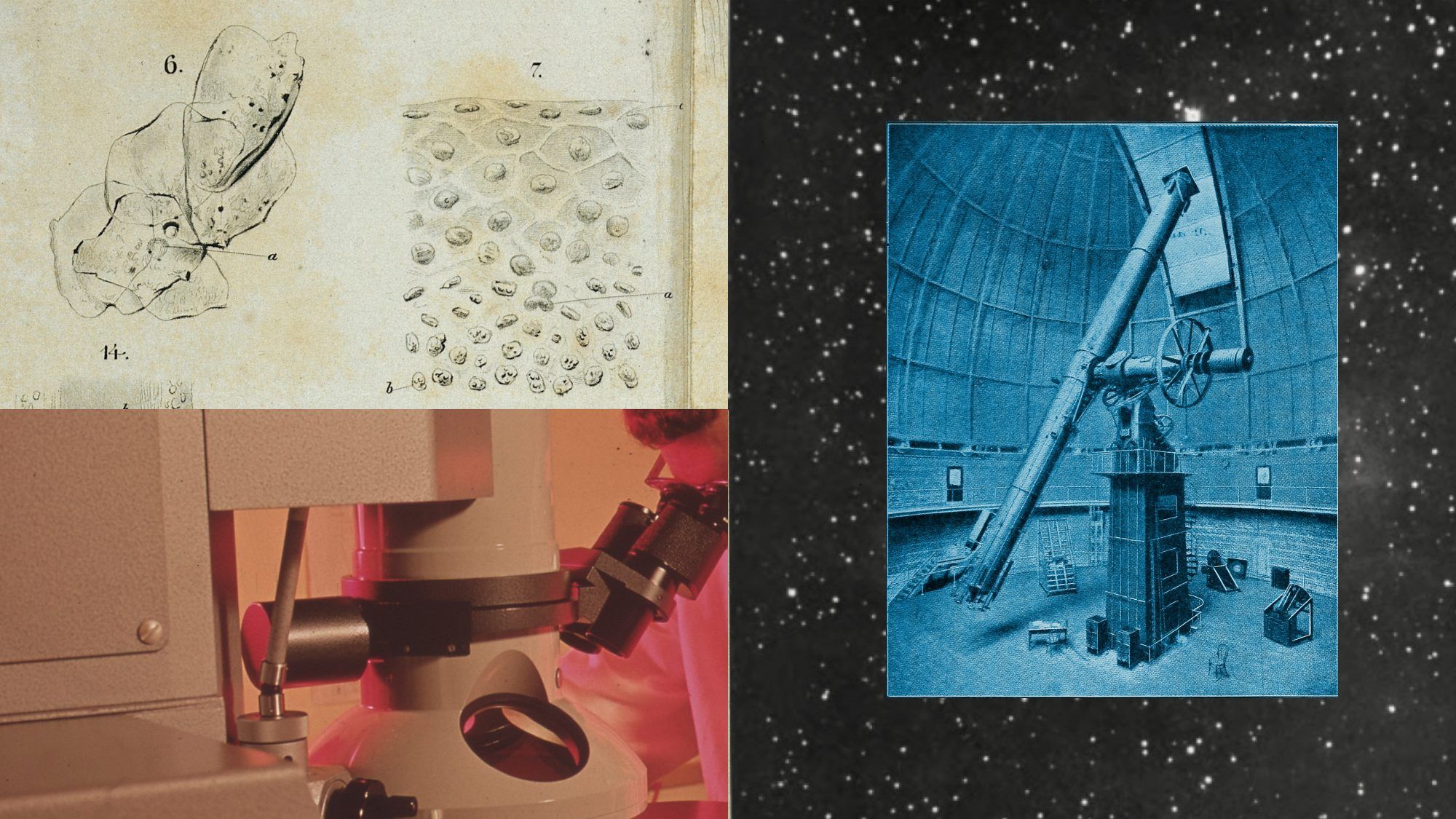
From Anthropic’s AI for Science announcement. Image: Anthropic. Image source
On October 28, Anthropic expanded its AI for Science program, which gives free Claude credits to researchers working on high-impact projects. It now works with 20 foundations, institutions and research groups.
Funders such as the US National Science Foundation, the Simons Foundation and the Sloan Foundation will pass credits on to researchers. Institutions including EMBL, the Francis Crick Institute and the Space Telescope Science Institute, which runs science operations for Hubble and Webb, will use them in-house.
The important limit: Anthropic says many of these collaborations are at an early stage, and it has not said how many credits each partner receives. This is about access to tools, not a scientific result.
Why it matters: working through the organisations that already fund and run science can reach far more researchers than one-by-one applications. Several of the projects, such as the gnomAD genetics database, are open resources used by scientists worldwide.
LEARN ONE THING · 60 SECONDS
Give AI the smallest key that works
As assistants connect to your email, calendar and files, the access you grant matters as much as the prompt you write.
Try this before your next task:
Before you send, delete or change anything in my accounts, show me exactly what you plan to do and wait for my OK. Tell me if you need access you do not have.
When you connect a service, choose passwords you can revoke where offered, and keep settings that ask before acting. For iCloud, OpenAI notes that disconnecting in ChatGPT does not revoke the password at Apple, so remove it there too.
A little friction up front makes it much easier to catch an email sent to the wrong person or a meeting moved by mistake.
What should AI be allowed to do for you?
Hit reply: read only, draft for you, or act on its own?
See you next time,
Artificialintelligence.ai
AI for everyone. Original sources and image credits accompany every story. Checked 2 November 2026.