

AI FOR EVERYONE · 21 SEPTEMBER 2026 · 4 MIN READ
Your study notes
are getting a voice
A pile of notes is useful only if you can make sense of it. This week, Google is making that process more conversational.
Also inside: how fashion designers are using AI before the runway, and why Anthropic is inviting outside testers into its labs.
Three stories. What changed, why it matters, and what to watch.
01 · LEARN SMARTER
A study partner that works from your notes
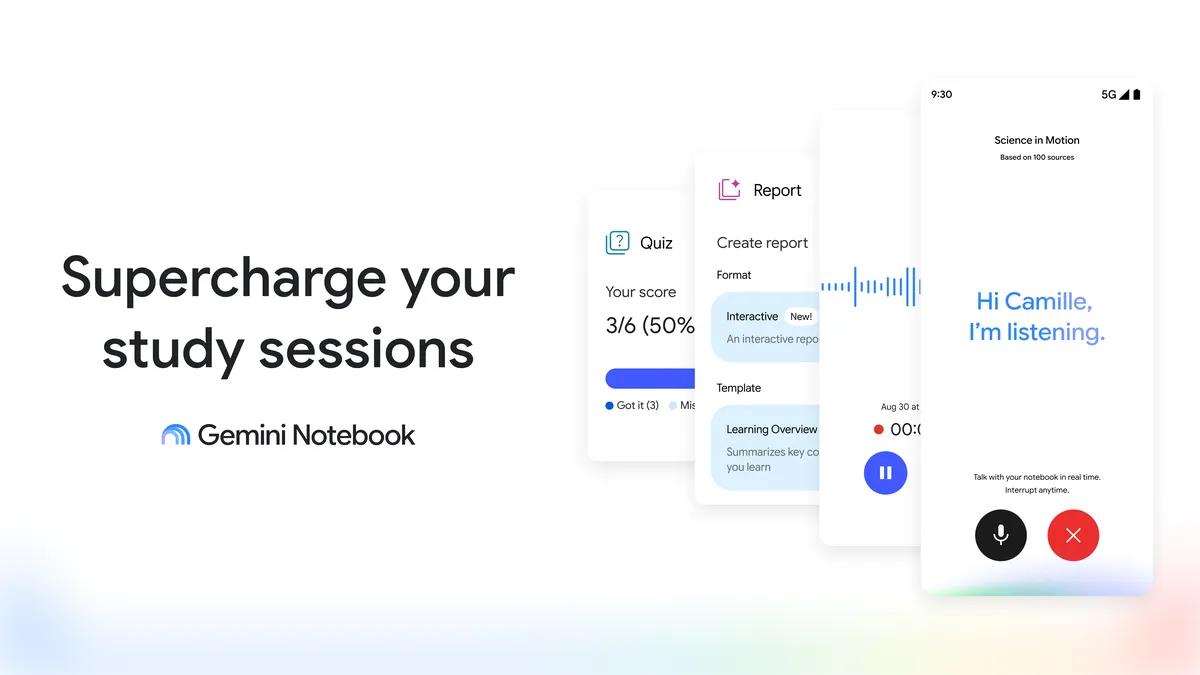
Gemini Notebook study tools. Product image: Google. Image source
Google wants you to talk through difficult topics with the material you already have. On September 15, it announced live voice conversations in Gemini Notebook’s mobile app, with answers based on your uploaded sources.
The update also adds interactive learning overviews that bring summaries, quizzes and flashcards together. More quiz formats are coming, including short answers and fill-in-the-blank questions.
Why it matters: a summary can feel clear even when you have not understood it. A useful way to study is to explain a concept yourself, then ask questions about the part you got stuck on.
Before you try it: voice access is rolling out first to Google AI Ultra subscribers aged 18+. Google says the new overviews and quiz formats will reach all users over the coming weeks. Check the original notes when an answer matters.
02 · MAKE IDEAS TANGIBLE
AI gets a job backstage at Fashion Week
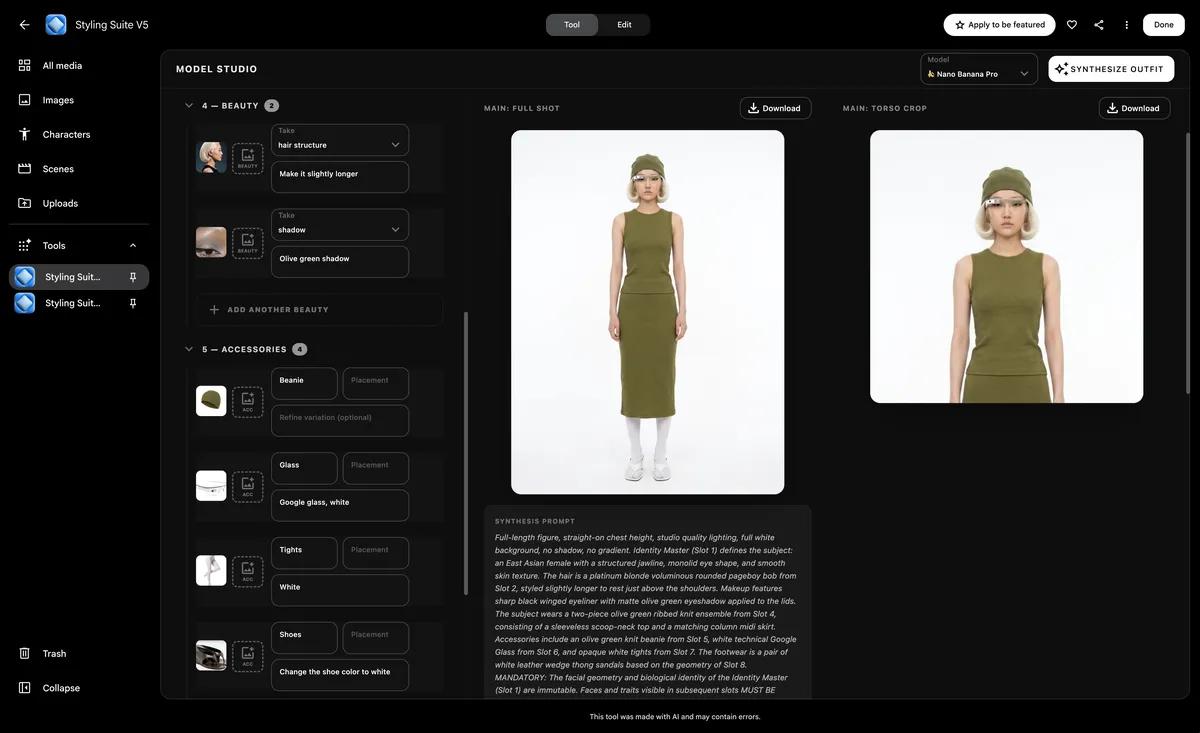
Jane Wade’s Styling Suite in Google Flow. Image: Google. Image source
The interesting part is what happened before the show. In a September 18 case study, Google described working with designers Jane Wade and Sergio Hudson on custom tools for New York Fashion Week.
Wade’s Styling Suite combined clothes, shoes, accessories, hair and makeup on digital models. It helped her spot missing pieces before making more physical samples. Hudson’s tool let him explore runway layouts, lighting and props within his budget.
Why it matters: our takeaway is to use AI where revisions are expensive. Comparing options early can help a team decide what is worth building, booking or producing.
Keep the claim in perspective: these were tools developed with Google engineers. The case study does not establish what a typical user would save in time or money.
03 · WHO CHECKS THE AI?
Outside testers get a closer look inside Anthropic
Company wordmark from the announcement. Image: Anthropic. Image source
Testing a finished AI model reveals only part of the picture. On September 18, Anthropic announced a partnership with Accenture to place evaluators inside the company as models are developed.
Faculty, Accenture’s specialist AI business, will lead work that includes testing safeguards and “red-teaming”: deliberately trying to make a system fail so weaknesses can be found.
The proposed access is comparable to an employee’s. Evaluators could follow training, speak with staff and examine the decisions behind a release. Anthropic and Accenture each expect to invest at least $1 billion in this work over five years.
Why it matters: access during development could reveal problems that a final test misses. But access alone is not proof of independence.
The question to watch: what will the public get to see? Anthropic is funding Accenture’s work directly, and says reporting standards and other details are still unsettled.
TRY THIS · 60 SECONDS
Turn a summary into a learning check
Choose one page of notes you are allowed to share. Then give your AI tool this instruction:
Using only these notes, ask me three questions, one at a time. Wait for my answer before giving feedback. Show which passage supports each correction. If the notes do not contain the answer, say so.
Make it count: answer before looking back. Then check each correction against the notes yourself. The goal is to discover what you understand and what needs another look.
What would help you most?
Hit reply: understanding a difficult topic, testing a creative idea, or knowing whether an AI tool deserves your trust?
See you next time,
Artificialintelligence.ai
AI for everyone. Reporting based on the linked company announcements; practical takeaways are our editorial interpretation. Images credited with each story. Sources checked 21 September 2026.