


01 · BEFORE YOU SHARE
Google’s AI checker is open to everyone
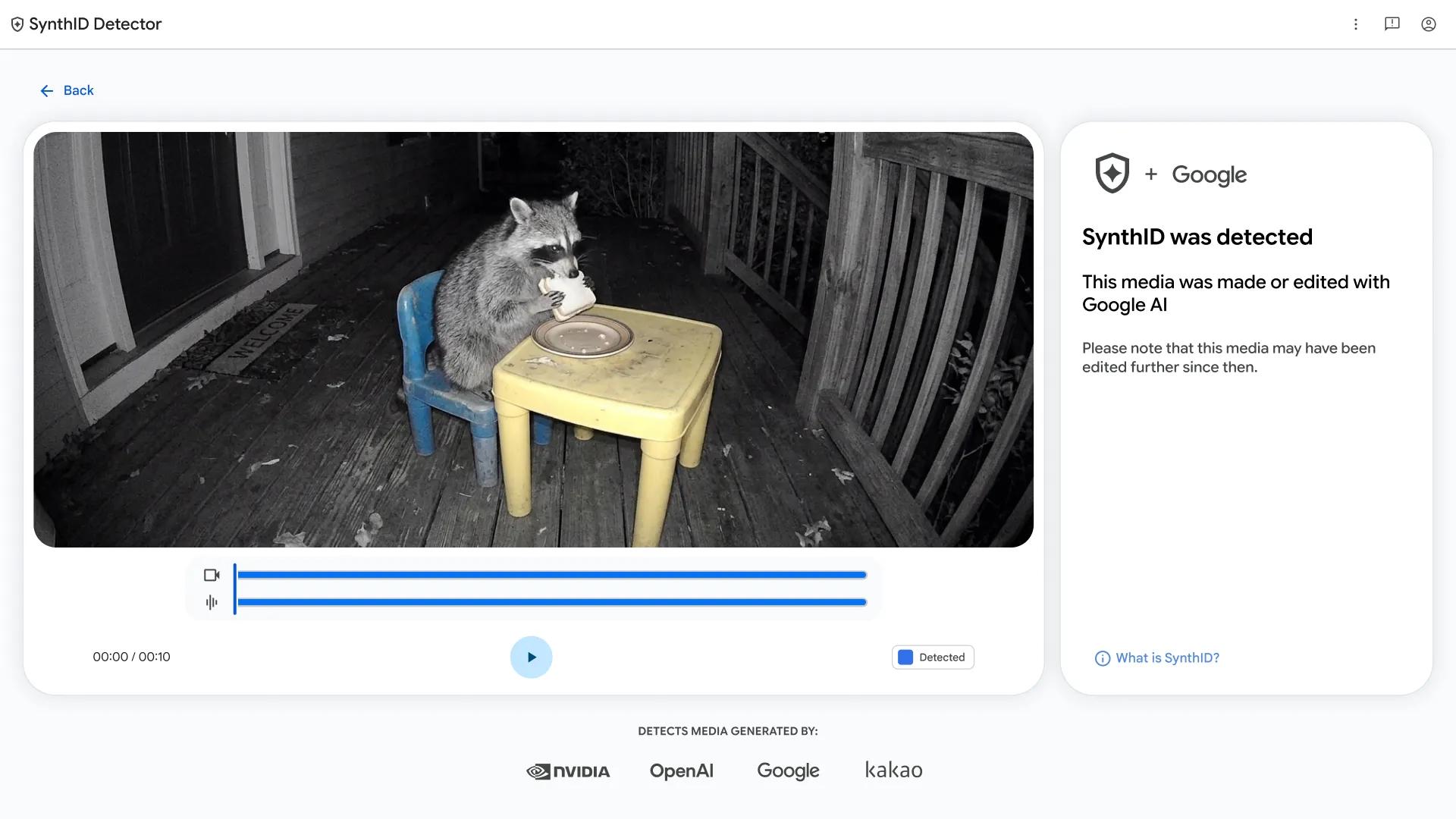
SynthID Detector demonstration. Screenshot: Google. Image source
On October 7, Google opened SynthID Detector to everyone, globally and in English. Upload an image, video or audio clip, and it checks for an invisible watermark added by participating AI tools.
This is a meaningful change: the separate verification site was previously aimed at journalists and other media professionals. Now you can check a suspicious clip yourself.
The catch: no watermark does not mean real. SynthID looks for its own embedded markers. It cannot identify everything made with AI, and a negative result cannot establish that an event happened as described.
Think of it as one clue. A detected watermark can reveal AI involvement; the original source, date and context still need checking. Google also recommends uploading the highest-quality file available for better detection.
02 · AI ON YOUR COMPUTER
Microsoft puts bigger AI models on a laptop
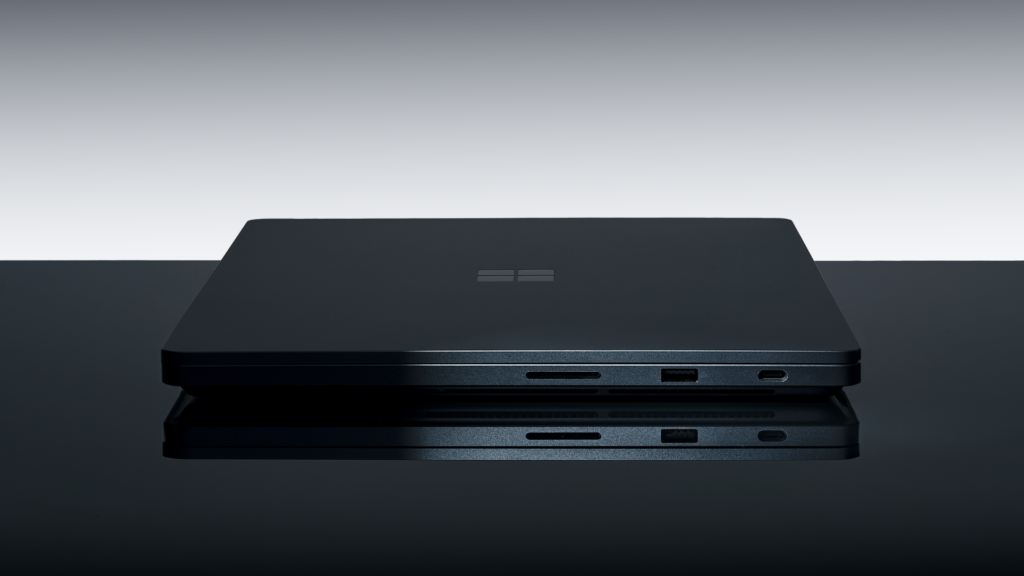
Surface Laptop Ultra. Official product image: Microsoft. Image source
Microsoft opened pre-orders for Surface Laptop Ultra on October 7, with a starting price of US$2,599 and availability beginning October 16.
Its selling point for AI work is what happens inside the machine. NVIDIA’s RTX Spark chip and up to 128 GB of shared memory can run models exceeding 120 billion parameters locally, Microsoft says. Parameters are the learned numerical settings inside a model; the count alone does not tell you how good its answers will be.
The appeal is practical: developers can test AI tools without paying a cloud service for every step. A local model can also process documents on the computer, though that depends on the app and how it is configured.
Before buying: ask to see your actual software and workflow running on the machine. These are Microsoft’s launch claims, and we have not tested the laptop. Independent results on speed, battery life and app compatibility will matter more than a headline performance number.
03 · THE COST OF AI
Claude’s smaller model gets a big price cut
Claude Haiku 5.5. Official launch artwork: Anthropic. Image source
Not every AI task needs the most powerful model. On October 7, Anthropic released Claude Haiku 5.5, aimed at quick, repeated jobs such as summarising documents, sorting requests and answering narrow questions.
Anthropic estimates that it costs around 75% less to run than Haiku 4.5 on average. That is the company’s calculation, not a guaranteed saving on your bill: prompt length and the amount of work affect the result.
There is also a new effort setting, letting developers trade speed and cost against how much work the model does on an answer. Anthropic still points to its larger models for complex coding tasks.
A sensible first test: take 50 past customer messages and ask it to sort them into billing, delivery or account questions. Compare its decisions with a person’s labels, then count mistakes as well as cost. A cheaper answer is only useful if it is good enough for the job.
Available now: through the Claude Platform and major cloud providers, including AWS, Google Cloud and Microsoft Azure.
TRY THIS · 2 MINUTES
Check the claim behind the clip
A real video can still have a false caption. Before sharing a striking clip, look for the original upload and evidence of when and where it was filmed.
If you use an AI tool with web access, try this:
Find the earliest source you can for this video. Separate what is visible from what the caption claims. Link to evidence for the date, place and event. If you cannot verify something, say so.
Open the links yourself. If they do not support the claim, leave it unverified. A confident answer is not a substitute for evidence.
What would help you trust a video online?
Hit reply with the one check you wish every platform showed.
See you next time,
Artificialintelligence.ai
AI for everyone. Original announcements and image sources are linked in each story. Product claims are attributed to their makers. Checked 8 October 2026.