


01 · THE BIG SHIFT
Better models. A smaller running bill.

AI-generated editorial illustration, created for this newsletter.
OpenAI and Anthropic both launched new models on September 22, with a shared pitch: stronger capabilities at a lower running cost.
OpenAI: For developers using GPT-6 Sol, the standard rates for sending text in and getting replies back are half those of GPT-5.6 Sol. GPT-6 Luna is cheaper too.
Anthropic: Opus 5.5 cuts those same rates by 20% compared with Opus 5. The company estimates 40% lower costs on typical workloads, partly because the model works more efficiently.
Who benefits first? Developers and businesses paying for AI by usage. For the rest of us, lower costs could mean better features or more generous limits in the apps we use. A cheaper model does not automatically cut a monthly subscription.
02 · GET STARTED
A starting point for the AI-curious

Learning by doing. Image: Google. Image source
Getting access to AI is one thing. Knowing where to start is another. On September 22, Google announced 100,000 certificate scholarships through the ITU’s AI Skills Coalition.
The initiative reaches more than 80 countries and is aimed at students, teachers, jobseekers, business owners and public servants. A technical background is not required.
The practical detail: places are delivered through participating countries and local programmes. Check the route available where you live.
Start here: Google’s training hub also lists no-cost options for educators, students and business owners. Check each course’s terms.
Our suggestion: choose one real task—planning a lesson, writing a proposal or organising customer feedback—and practise as you learn.
03 · BEYOND THE CHATBOT
Can AI help a city listen?
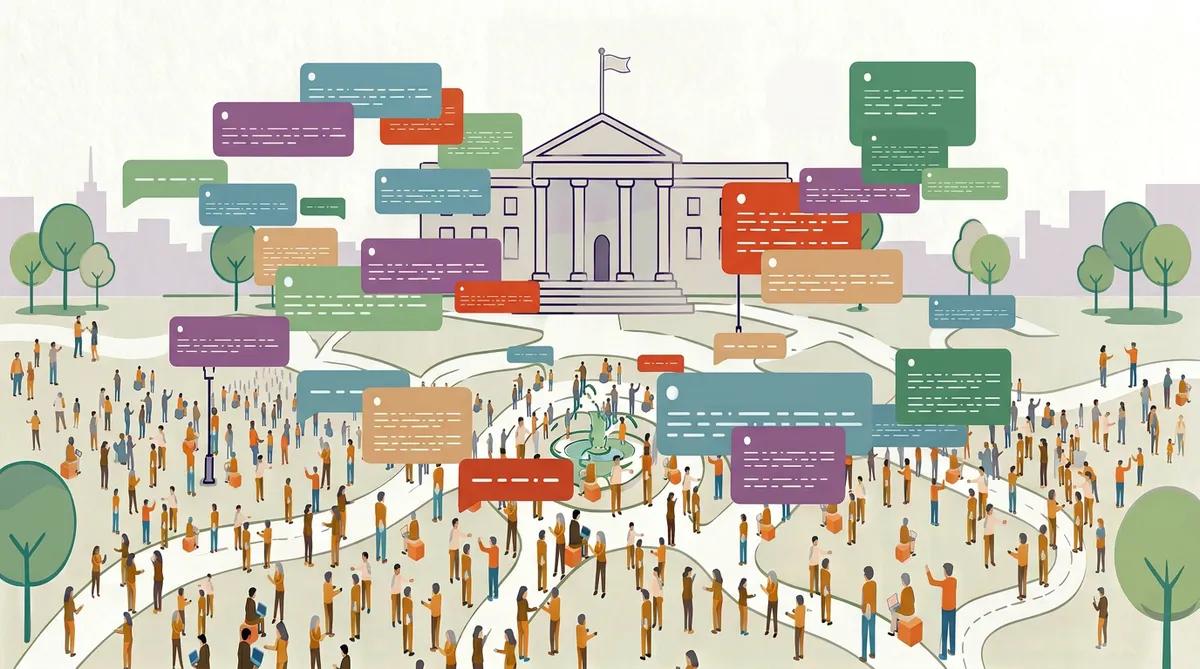
How do you hear a whole city? Illustration: Google/Jigsaw. Image source
Thousands of comments can be hard for a city to turn into a plan. Jigsaw’s Sensemaking AI is built to help public officials find patterns in large civic conversations.
On September 22, Google.org announced support for a new partner programme that lets local governments run these conversations at no operational cost.
One example: Google reports that feedback from 8,000 residents in Bowling Green, Kentucky helped inform a 25-year growth plan.
The question to keep asking: whose views were heard, and whose were missed? A useful AI summary should help officials inspect disagreement as well as common ground.
TRY THIS · 5 MINUTES
Give your AI a tiny audition
Before switching tools, give two of them the same small task. Use a public product description and keep the instructions identical.
Paste the description, then ask:
Explain this offer in plain English. List what’s included, the full price, recurring charges and anything the text leaves unclear. Use only the information below. Mark missing details as “not stated”.
Keep the source beside the answer. Did either tool invent a feature, overlook a condition or make you do more work?
The winner is the tool that gets you to a usable result with less correction. That is a better personal benchmark than a flashy demo.
What would make AI more useful to you?
Lower cost, clearer answers or help getting started? Hit reply with one.
Until next time,
Artificial Intelligence.ai
AI for everyone. Reporting checked 23 September 2026. Sources and image credits appear with each story.