
Just in time for Black Friday, AI shopping assistants have taken another step from browsing to buying. OpenAI has launched ChatGPT Wallet, a payment feature that lets its AI agents complete purchases on your behalf.
Wallet was introduced on November 13 and works with dots, OpenAI's always-on assistants that can browse websites and carry out tasks for you.
How does it work?
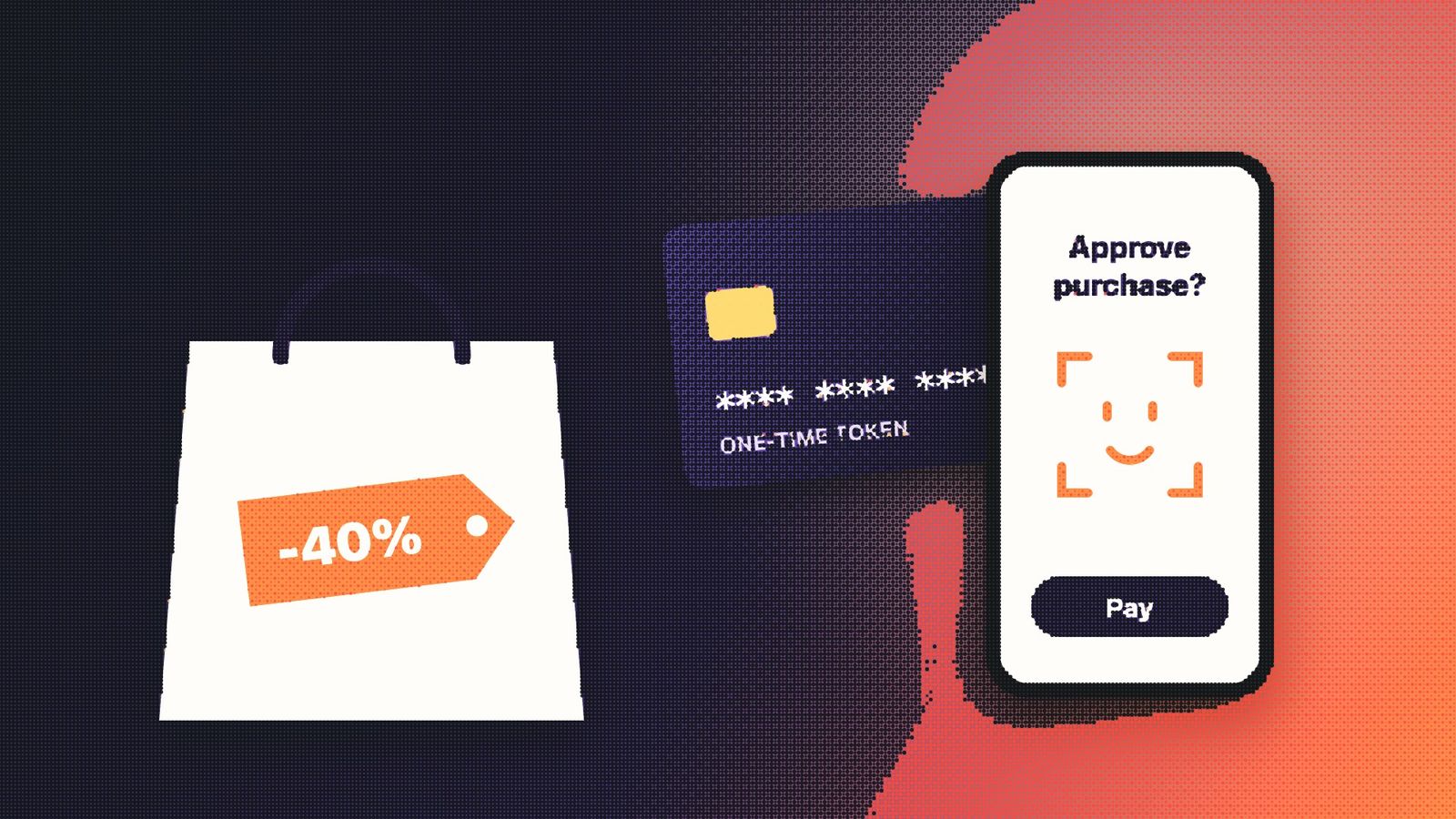
You add a payment card to the wallet once. When a dot finds something you want and reaches the checkout, it asks you to approve the purchase. On a supported device, you confirm with a biometric check such as Face ID or Touch ID.
The agent never sees your actual card number. Instead, Wallet creates a substitute payment credential that only works for that one transaction, and the dot uses it in the shop's normal checkout. Each approval is recorded, so there is a trail of what you authorised.
OpenAI built Wallet with American Express, Mastercard and Visa, and says you keep the rewards and dispute protections that come with your card. Wallet does not hold money or crypto of its own.
Who can use it?
For now, very few people. Wallet is rolling out gradually to ChatGPT Pro subscribers in the US who are 18 or older and have an eligible US-issued American Express, Chase, Mastercard or Visa card. It works inside dots conversations, not in ordinary ChatGPT chats.
Where it can go wrong
The biggest hurdle is the shops themselves. Wallet works with existing checkout pages, but many websites block automated visitors, and fraud systems can treat an AI agent as suspicious. OpenAI warns that legitimate purchases may be declined or cancelled, and that approving a purchase in ChatGPT does not guarantee the order goes through. It has published a playbook to help businesses avoid rejecting agent purchases by mistake.
Some companies are going the other way. United Airlines changed its rules this month to stop personal AI agents from booking flights, and says it can cancel reservations they make.
Privacy is another consideration. According to OpenAI's privacy notice, Wallet keeps detailed records of purchases, including the shop, the items, the prices and the shipping details.
What comes next
Today, every purchase needs your approval. OpenAI's plan is to let users hand over more control by setting rules in advance, such as spending limits, product categories or time periods. It has not said when that will arrive.
Should you use it for Black Friday?
Picture a dot tracking the price of a pair of headphones and pinging you when it drops below your target. With Wallet, you approve with your face or fingerprint and the agent completes the order. That is genuinely convenient, and a one-time card number is safer than handing your real details to a bot.
But check the basics first. Make sure the order confirmation actually arrives in your inbox, and keep an eye on your card statement. Until shops widely accept agent purchases, your agent may find the deal faster than it can buy it.


