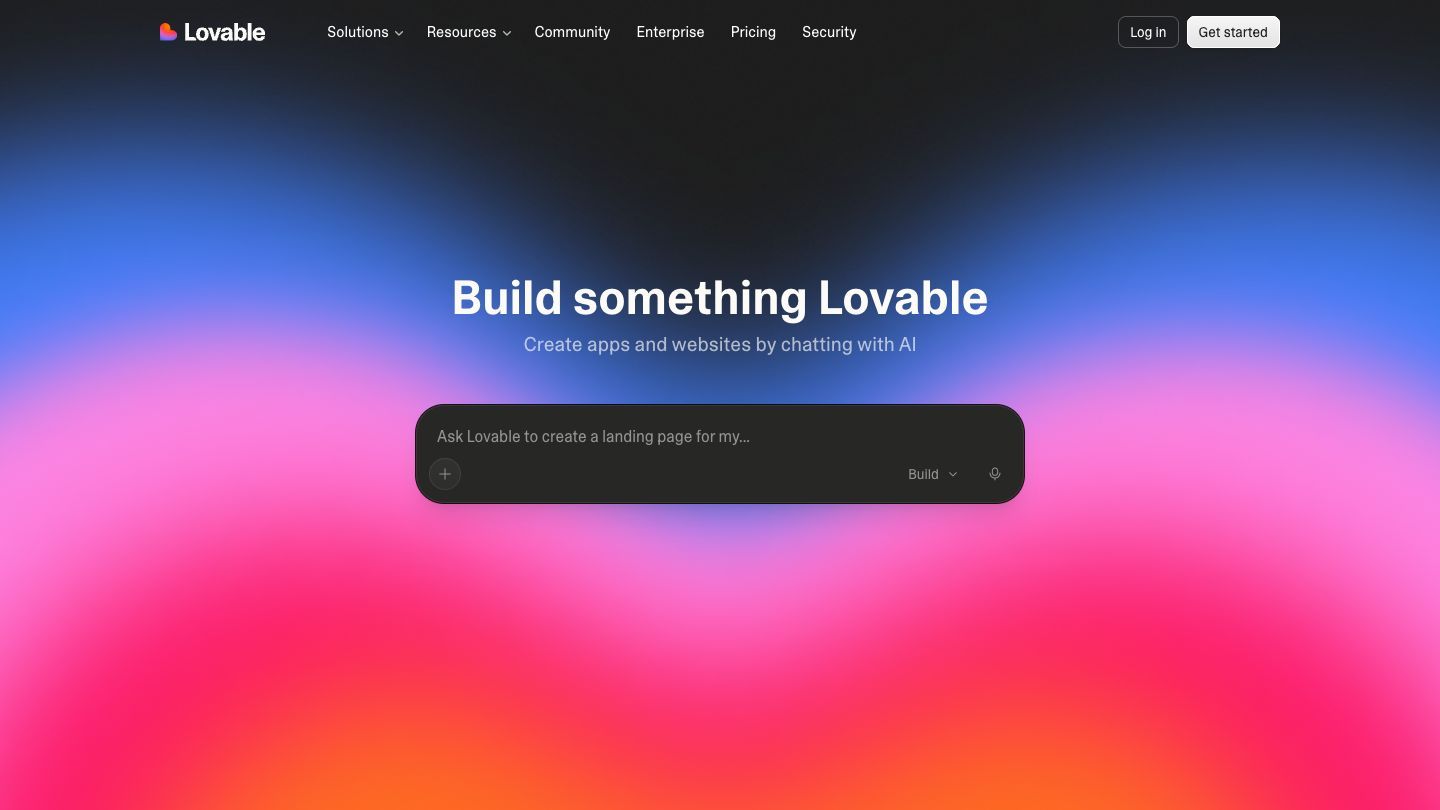

Lovable is an AI app builder for people who want to turn an idea into a working website, prototype, internal tool, or web app without starting from a blank codebase. You describe what you need in everyday language, review what it makes, and keep improving it through follow-up instructions. It is not magic—and that is the useful part. You still set the goal, decide what “good” looks like, and test the result.
What Lovable is good for
Lovable is strongest when you can explain a clear outcome and learn by seeing something real. A waitlist site, a small customer portal, a dashboard for a team process, or a clickable product concept are all good first projects. Lovable says you can start with plain language, screenshots, and documents, then refine and publish the result from the same workflow. That makes it especially approachable if you have an idea but do not want to spend weeks translating it into tickets before anyone can react to it.
Start with a narrow brief, not “build my business”
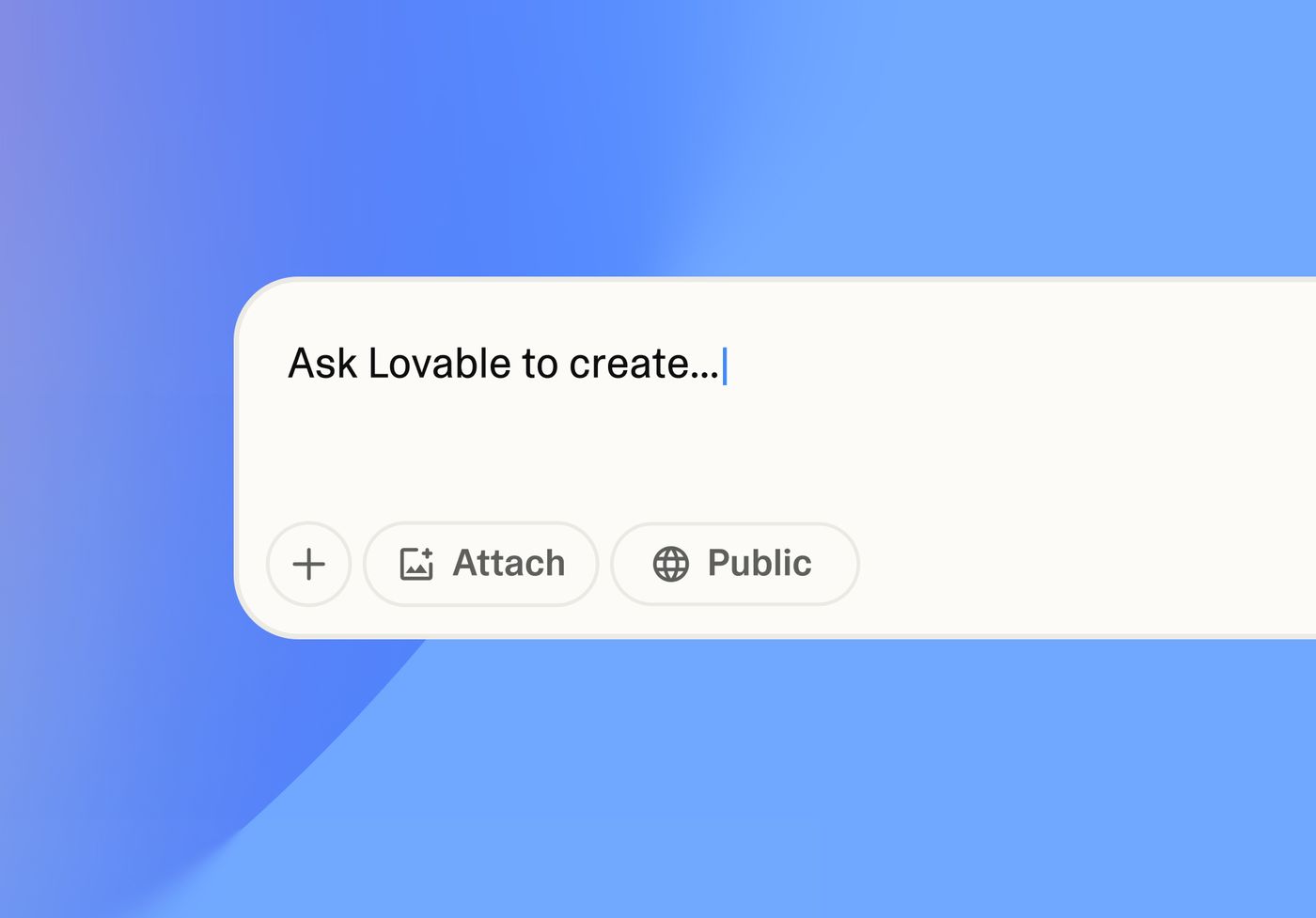
The fastest way to get a useful result is to give Lovable a small first job. Name the user, the problem, the important screens, and the action you want that person to take. A focused request gives you something concrete to review; an enormous request gives you more guesses to untangle.
A first prompt you can adapt
“Create a simple web app for a freelance photographer to manage client inquiries. Include a public contact form, a private dashboard with inquiry status, and a clean, warm visual style. Start with sample data. On the dashboard, make it obvious which inquiry needs a reply next.”
Then refine in this order:
- Make one core user flow work from start to finish before adding extra pages.
- Ask for the empty, loading, error, and success states—not just the happy path.
- Tighten the words and layout only after the flow makes sense.
- Use real examples of your data before you show the project to anyone else.
How to iterate without getting lost
Work in small, testable changes. Instead of “make it more professional,” say what should change: “Use fewer colors, increase the heading contrast, and make the primary action clearer on mobile.” Instead of “fix the dashboard,” name the problem: “A manager should be able to filter open inquiries by date and assign one to a teammate.” Clear instructions are not about writing like a developer; they are about giving the AI a useful decision to make.
Lovable also supports visual refinement and can build sites with publishing and SEO controls, while letting projects sync to GitHub. That is valuable because your work does not have to stay trapped in a demo: you can share it, improve it with a developer, or continue building it yourself.
When a prototype needs a real backend
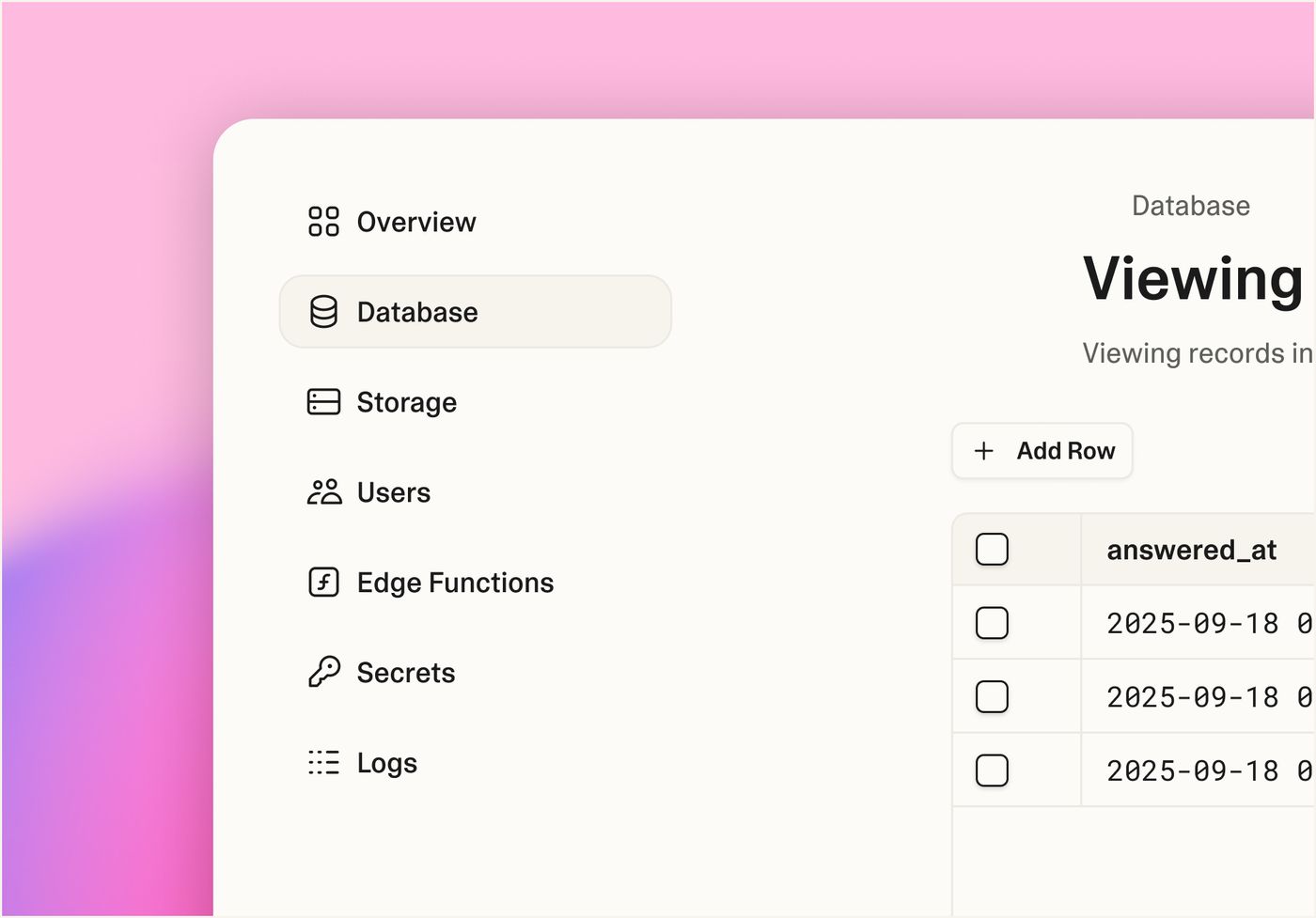
A nice-looking interface is only the surface. If people need accounts, saved data, file uploads, payments, or live updates, you need to think about the backend as well. Lovable describes integrations for services such as Supabase and GitHub; current project setups can vary, so confirm the generated architecture and ownership before you rely on it for a production use case.
Before you connect real customer data
- Decide who should be able to see, edit, or delete each type of data.
- Test sign-in, password recovery, permissions, and destructive actions with a separate test account.
- Keep secrets such as API keys out of prompts, screenshots, and browser code.
- Ask a technical teammate to review authentication, database rules, integrations, and payment flows before launch.
Where Lovable fits alongside a technical team
Lovable is useful before and during engineering—not only instead of it. Designers and product teams can make a working reference for an interaction rather than debating static screens. Lovable explains that projects can be handed to developers through GitHub, and that a real prototype can include states, logic, permissions, and data rather than only clickable mockups. The best handoff includes the original goal, known constraints, examples of good and bad behavior, and a short list of questions still to answer.
A healthy “don’t fall behind” habit
Choose one small annoyance from your actual week and build a rough solution in Lovable: an event sign-up page, a client intake form, a searchable team directory, or a dashboard that answers one recurring question. You do not need to become a full-time developer. You just need enough hands-on experience to recognize when a good idea can move from a conversation to something people can use.