

Perplexity
Try Perplexity
Perplexity is a free AI-powered answer engine that provides accurate, trusted, and real-time answers to any question.
Skill level
All skill levels
Pricing model
Freemium
Best for
Researching questions with cited answers.
Country
🇺🇸 United States
Company
Perplexity AI, Inc.
Platforms
Web
macOS
Windows
iOS
Android
Updated:
September 4, 2026
Perplexity is an AI-powered answer engine designed for research with web sources. Its official overview emphasizes current information, direct answers, and citations that let you inspect where a claim came from.
When Perplexity is useful
- Getting oriented quickly in an unfamiliar topic without starting from a blank search page.
- Comparing claims across several sources and following citations back to the original pages.
- Running focused follow-up questions while keeping the context of the investigation.
- Using deeper research modes when a question needs broader collection and synthesis.

A practical workflow
- Ask a precise question. Include the timeframe, geography, audience, constraints, and output format that matter.
- Inspect the citations. Open the sources behind important claims and prefer primary documentation, original research, or first-party announcements.
- Narrow the answer with follow-ups. Ask what is uncertain, what sources disagree, and what evidence would change the conclusion.
- Save repeatable work. Use Research for broader synthesis and Projects when the same topic needs files, instructions, or continued collaboration.
Projects and finished work
The Projects guide describes persistent workspaces for organizing related threads, files, and instructions. They are useful when research must remain understandable and reusable after the first answer.

Limits and judgment
A citation is a path to evidence, not proof that the answer is correct. Open the source, check dates and context, and watch for gaps caused by paywalls or inaccessible pages. Verify legal, medical, financial, and other high-impact decisions with qualified sources. Plans, usage limits, and feature availability can change.
A useful first prompt
Research [question] for [audience] using sources from [timeframe or region]. Separate verified facts from inference, note meaningful disagreements, and finish with a short recommendation plus the primary sources I should inspect first.
Explore more toolsGet familiar with the most useful AI tools out there.

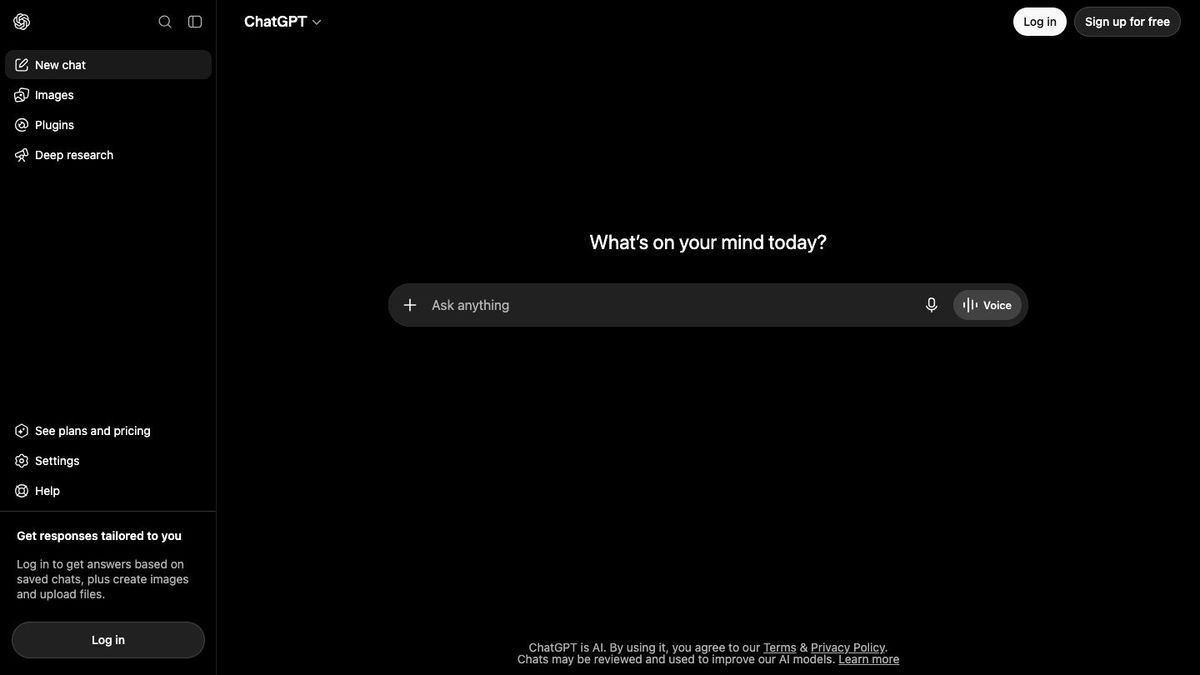
ChatGPT
Use ChatGPT to answer questions, write, create images, complete work, and code—all in one place. Get started for free or download the app.


Read more

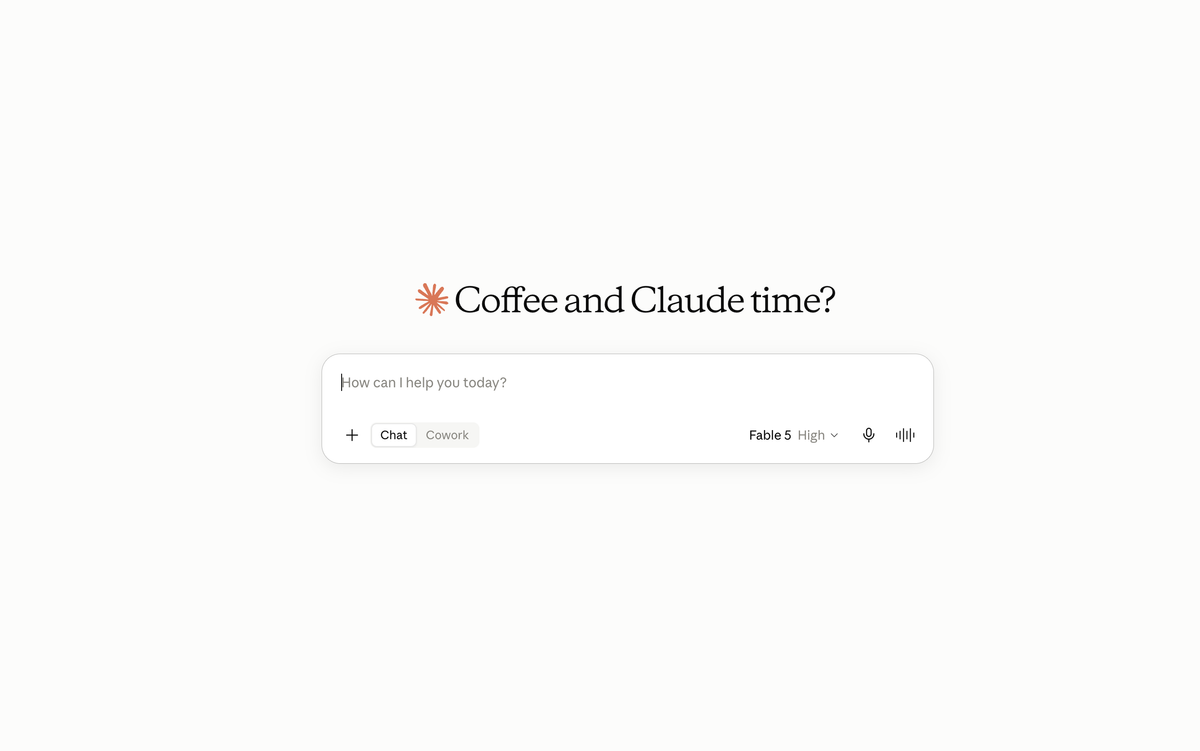
Claude
Claude is Anthropic’s AI assistant for writing, analysis, coding, research, and working through complex documents and decisions.
Read more

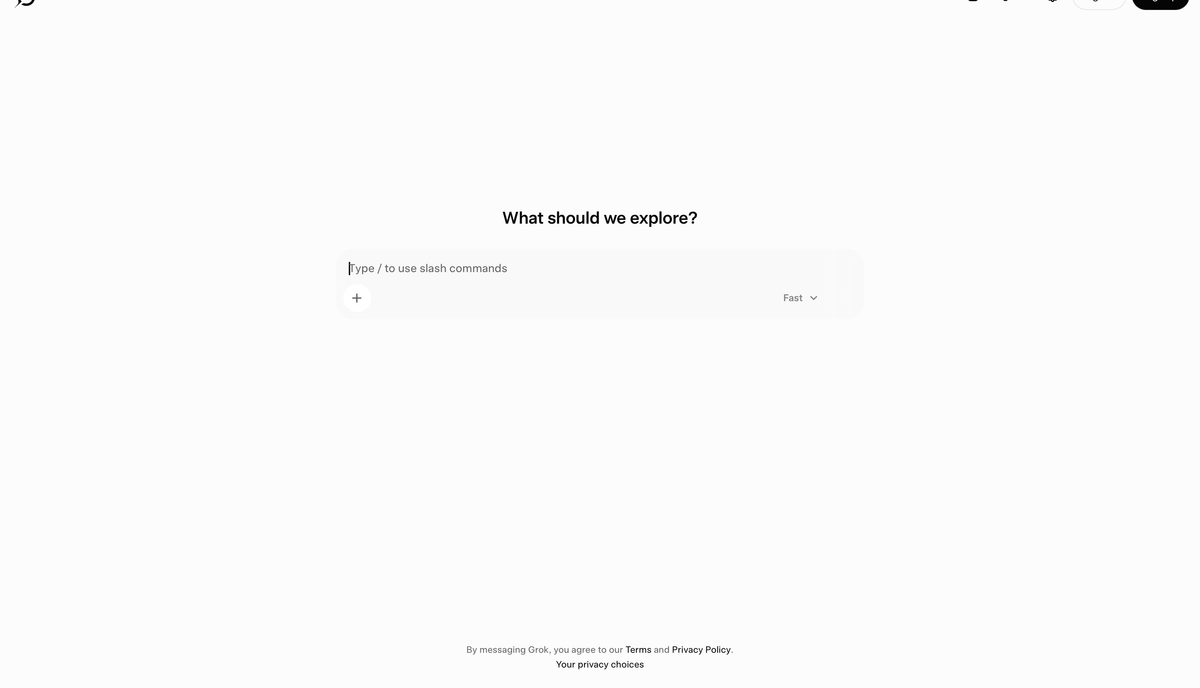
Grok
Grok is an AI assistant built by SpaceXAI. Chat, create images, write code, and get real-time answers from the web and X.
Read more