

01 · ON YOUR DESKTOP
Googlebook puts Gemini within reach
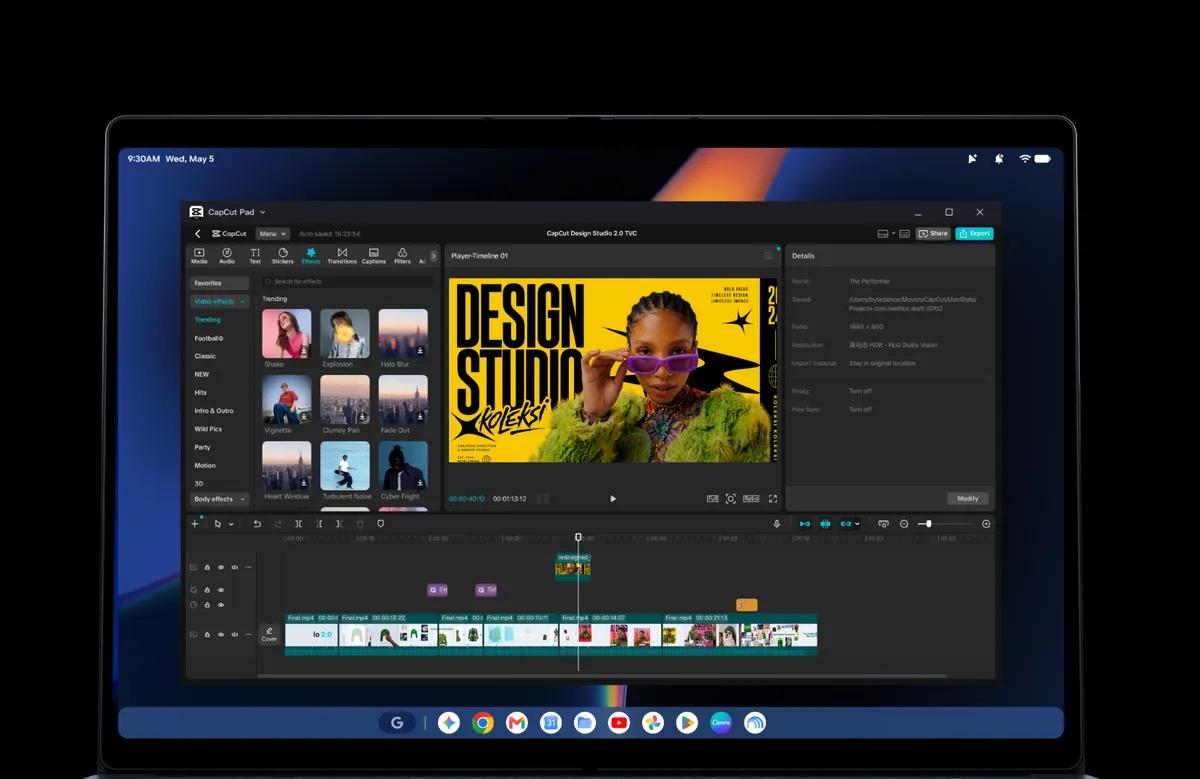
Googlebook running CapCut. Official product image: Google. Image source
Google opened pre-orders for Googlebook on September 21: a new laptop category built around Android, desktop Chrome and Gemini. Prices start at US$899.
Its Magic Pointer brings Gemini to what is on your screen. Rambler turns spoken thoughts into organised writing. You can also open files from your Android phone and continue supported tasks on the laptop.
Why it matters: getting help could involve less switching between apps and re-explaining what you are working on. The useful test is how much friction it removes from an ordinary day.
These are Google’s launch claims; we have not tested the hardware. Check the apps you depend on before considering a switch.
When? In stores from October 4 in the US and October 5 in six more markets, including the UK and Germany. Norway is not on the initial list.
02 · YOUR DIGITAL MEMORY
An AI that remembers, with a private vault

Private AI Compute. Official illustration: Google DeepMind. Image source
Starting again on another device can mean explaining everything twice. On September 23, Google outlined a way for Private AI Compute to retain context across devices.
The plan is to keep that memory encrypted in the cloud, with the keys held on your own devices. A protected computing environment would temporarily unlock the information needed for a task.
Google says the design would prevent even Google from accessing the stored data. It has published a technical brief and describes an independent security audit. That is a claim about this architecture, not every AI service.
Why it matters: a useful assistant needs continuity. The next question is whether remembering more can also give people clear control over what is kept.
Can you use it today? This is an architecture update. The announcement does not give a consumer rollout date for the new memory capability.
03 · IN THE LAB
Claude found a clue scientists could test
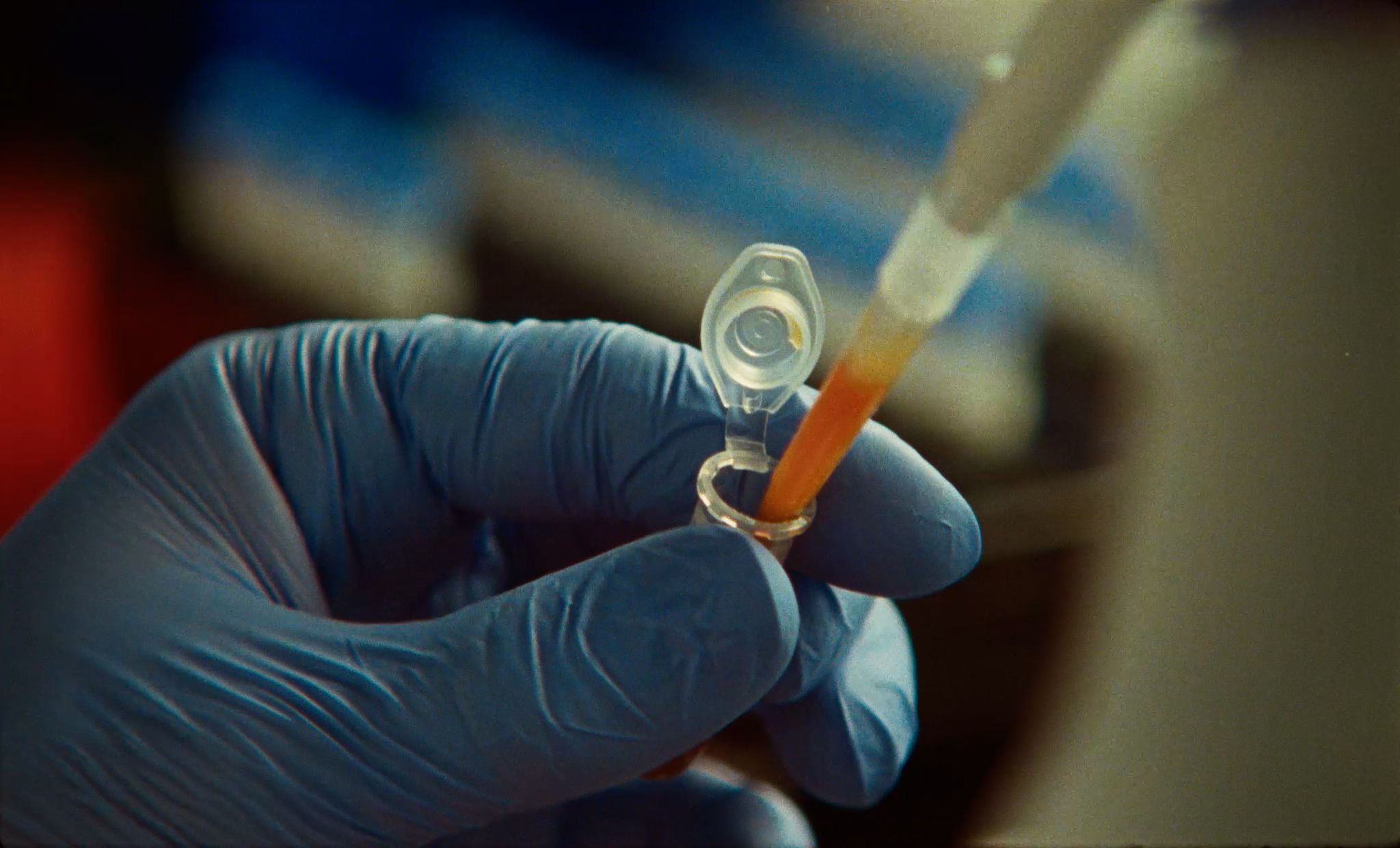
From Anthropic’s research announcement. Image: Anthropic. Image source
On September 23, Anthropic reported that Claude helped identify a previously uncharacterised enzyme system while searching DNA data. Human researchers followed up with analysis and laboratory experiments.
The striking part is the division of work: AI searched for unusual patterns and investigated promising candidates; scientists decided what deserved testing and performed the lab work. Anthropic also announced its own life sciences research group and laboratory.
The important limit: the system has features reminiscent of CRISPR, but its function is still unknown. This is an early finding shared in a preprint, not a proven new gene-editing tool or treatment.
Why it matters: AI may help researchers spot leads in huge datasets. A promising lead still needs experiments before anyone knows what it can do.
LEARN ONE THING · 60 SECONDS
Tell AI what “done” looks like
As AI takes on longer tasks, a clear finish line becomes more useful. Describe the result you want to check.
Try this before your next task:
Before you begin, restate my goal, list the information you still need and describe the finished result. Suggest three checks I can use to judge it. Then wait for my reply.
For a travel plan, those checks might be within budget, realistic journey times and verified opening hours. For a report: the right audience, length and sources.
Agreeing on the finish line makes it easier to catch a polished answer that solves the wrong problem.
What would make AI more useful to you?
Hit reply: fewer app switches, better memory, or something else entirely?
See you next time,
Artificialintelligence.ai
AI for everyone. Original sources and image credits accompany every story. Checked 24 September 2026.