


01 · THE BIG LAUNCH · 29 SEPTEMBER
Meet Dots: an AI with an ongoing job
Dots launch artwork. Image: OpenAI. Image source
OpenAI launched Dots on September 29: personal agents powered by GPT-6 Astra, each with its own cloud computer and browser. Assigned work can keep moving even when your laptop is off.
OpenAI’s examples include updating launch materials when plans change, preparing content from interview transcripts and investigating software feedback. You can keep talking to your dot while it works and review what it produces.
Why it matters: the useful shift is continuity. An assistant could keep track of a responsibility across days, reducing the effort of restarting and re-explaining the same project.
The boundary: OpenAI says unprompted “proactive research” uses read-only tools. Actions follow permissions and approval checks. Cloud work can continue while you are offline; work on your own connected computer still requires that computer to be online.
Who gets it? Rollout is gradual. Pro access is for adults outside the EEA (including Norway), the UK and Switzerland. Business Premium and Enterprise are rolling out worldwide; Enterprise requires an administrator to enable it.
02 · EVERYDAY WORK · 28 SEPTEMBER
Claude Sonnet 5.5 makes a case for faster work
Claude Sonnet 5.5 launch image. Image: Anthropic. Image source
Anthropic released Claude Sonnet 5.5 on September 28, positioning it for clearly defined everyday tasks: fixing bugs, drafting documents and building slides or spreadsheets.
The company reports over 30% faster output than Sonnet 5 and up to 30% lower cost per task in its tests. That saving comes from using fewer tokens, the units of text processing billed through the API. The per-token rates are unchanged.
The distinction: Anthropic still recommends Opus 5.5 for complex, open-ended work requiring sustained judgment. A strong benchmark result does not establish which model is best for your particular job.
Our take: shorter waits could make the biggest difference when you revise a draft several times. Measure the whole job, including corrections, before deciding whether to switch.
Available now: Sonnet 5.5 is live across Anthropic’s supported platforms, including AWS, Google Cloud and Microsoft Azure. Check your plan or provider for access.
03 · KEEPING CONTROL · 28 SEPTEMBER
NVIDIA puts a watchdog outside the agent
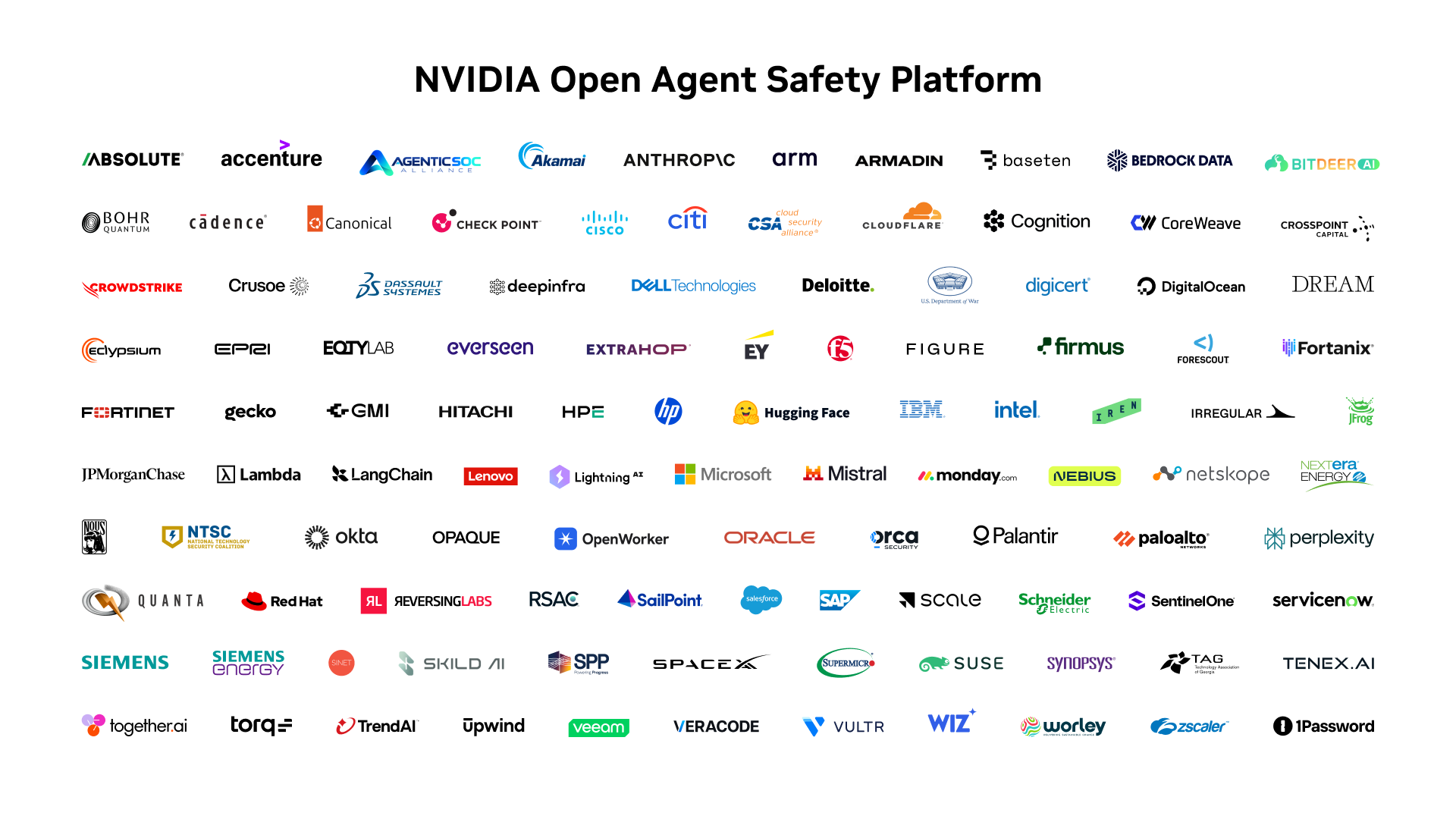
Open Agent Safety Platform. Official illustration: NVIDIA. Image source
As agents gain more access, organizations need ways to enforce their limits. NVIDIA announced its Open Agent Safety Platform on September 28, combining software controls with a reference design for independent hardware oversight.
Its OpenShell software sets and enforces boundaries around running agents. A separate watchdog called Sentry, running on BlueField-4 hardware, is designed to detect attempts to leave those boundaries. NVIDIA says it can quarantine an agent within milliseconds.
What is available? NVIDIA says the platform’s software, including OpenShell, is available through its developer resources and GitHub. Sentry is part of the reference system design. This is infrastructure for developers and enterprises.
Our take: independent controls are a useful part of the move toward longer-running agents. They cannot establish that every answer or action is correct. Teams still need to test the work and review the permissions they grant.
LEARN ONE THING · 60 SECONDS
Test the task you actually do
A launch demo can be impressive without telling you whether a tool will help your week. Try one familiar task with an answer you can check.
Give your current tool and the new one the same brief:
Using only these sources, write a 250-word brief for a busy colleague. State the key change, explain its practical impact, link each factual claim to its source, and flag what remains uncertain.
Compare accuracy, time spent checking, and time spent rewriting. Count the minutes from the first prompt to something you would actually use.
For an ongoing agent such as Dots, repeat the check after new information arrives. Continuity is valuable only if the work stays accurate as things change.
What would your first dot be responsible for?
Hit reply with one recurring task. We would love to hear what useful AI looks like in your day.
See you next time,
Artificialintelligence.ai
AI for everyone. Based on original announcements and product documentation. Performance claims are the vendors’ own; we have not independently tested these launches. Sources and image credits accompany every story. Checked 30 September 2026.