

01 · GOOGLE · 30 SEPTEMBER
Google’s new AI goes to security teams first
Gemini 4 Argon launch artwork. Image: Google. Image source
Google has introduced Gemini 4 Argon, its newest AI model. The first outside users are selected cybersecurity teams: specialists who find and fix weaknesses in software.
Google says security company Wiz used Argon to uncover a flaw in healthcare software that exposed personal information. According to Google, earlier AI models had missed it.
Google is also using Argon to help rewrite software and reduce the memory used by its data centres. These are Google’s reported results; we have not independently tested the model.
Can you try it? Access begins with trusted security specialists in Google’s Fairwind programme. The company says a wider release will follow, starting with paying developers and Google AI Ultra subscribers. It has not given a firm date.
If you use Gemini to write emails or plan a trip, this announcement does not mean Argon is now available in your app. Google is still testing it before the wider release.
02 · GEMINI · 30 SEPTEMBER
Gemini can now reuse your instructions
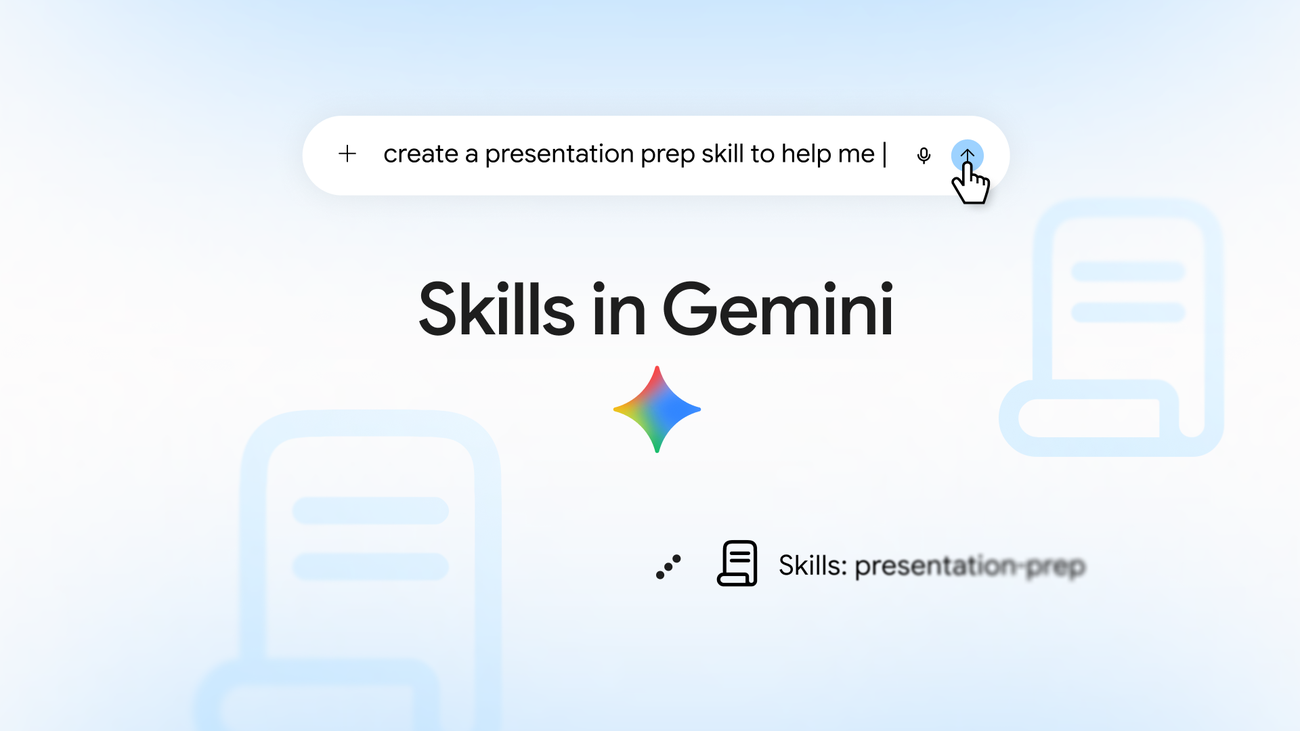
Reusable skills in Gemini. Image: Google. Image source
If you keep asking AI to use the same tone, length or format, Google’s latest Gemini update addresses a familiar irritation. You can save those instructions as a skill and use them again by typing “/” followed by its name.
For example, you could save a brief for your weekly project email: three things completed, two problems to resolve and the next deadline. Each week, you supply new notes. The instructions stay the same.
Skills can include reference documents, PDFs and images. Google also lets you combine them—for example, one for your writing style and another for your company’s guidelines.
Who gets it? Google says skills are rolling out globally in Gemini chat for adults on Google AI subscription tiers. Workspace customers are due to follow in the coming weeks.
If you already use Gems, Google’s existing custom assistants, there is a change to watch: support starts ending in November for personal accounts. Google says it will move those Gems into skills automatically; business and education accounts follow in 2027.
03 · AI SAFETY · REPORTED 30 SEPTEMBER
US regulator investigates OpenAI and Anthropic

FTC building, Washington, D.C. Archive photo: Carol M. Highsmith / Library of Congress, via Wikimedia Commons. Public domain. Image source
The US Federal Trade Commission is investigating whether AI systems from OpenAI, Anthropic and other developers could harm consumers, Reuters reported on September 30, citing a senior agency official.
The investigation includes concerns about AI agents: programs that can carry out a series of actions, rather than just answer a question. Reuters says the agency plans to demand information and testimony from AI executives.
This is an investigation. The report does not announce a finding of wrongdoing or a penalty. OpenAI and Anthropic had not immediately responded to Reuters’ requests for comment when it published.
For anyone connecting AI to work accounts, the practical issue is simple: a tool that can change files or take actions can cause problems beyond a wrong answer. Know which actions it can take on its own and which require your approval.
TRY THIS · A BETTER WEEKLY UPDATE
Save a writing brief you can use again
Start with something you write every week. In Gemini, you can turn the brief below into a skill. You can also reuse it in your usual AI tool.
Turn my notes into a 120-word project update for my manager. Start with what changed this week. Then list completed work, problems and the next deadline. Use everyday words. Keep every name, number and date exactly as supplied. If a detail is missing, ask me instead of filling it in.
Add your notes underneath. Before sending, check the names, numbers and dates against the original. A reusable brief saves you typing; you still decide whether the result is ready.
Which task do you keep explaining to AI?
Hit reply with one example. We’ll use your answers to shape future practical guides.
See you next time,
Artificialintelligence.ai
Sources: Google’s product announcements and Reuters reporting. Images are credited in each story. Availability checked 1 October 2026.