What Kling AI is
Kling AI is Kuaishou Technology’s multimodal creative studio for generating and editing video and images. The current Kling 3.0 family combines text, image, audio, and video inputs for workflows such as text-to-video, image-to-video, reference-driven generation, and in-video editing. Kuaishou’s February 2026 launch announcement says Video 3.0 supports native audio, up to 15-second videos, multi-shot storytelling, and reference-based consistency.
A practical way to start
Start with one focused scene, then add only the controls that solve a clear creative problem. A short, specific brief—subject, action, setting, framing, lighting, and mood—usually gives you a better basis for iteration than a long list of competing ideas.
- Choose text-to-video when the scene can be described from scratch; use image or video references when continuity of a person, object, or setting matters.
- Generate a short test first. Review subject consistency, motion, framing, and any text that must remain legible before spending more credits on a longer or higher-resolution version.
- Keep a reference set consistent: use the same character, product, and visual style across revisions so that changes are easy to diagnose.
Use references to protect continuity
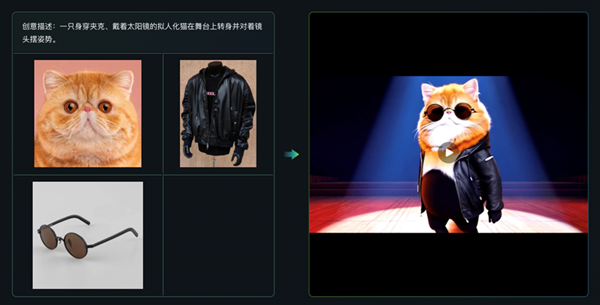
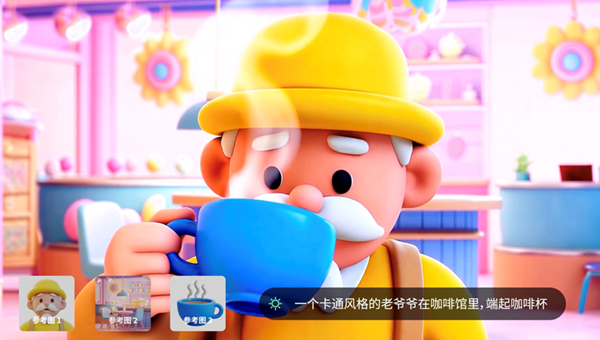
Kling’s multi-image reference workflow is useful when a scene needs to combine several source elements. Kuaishou’s feature announcement illustrates this with multiple inputs that guide a single generated result. Use clear source images and describe how each reference should appear; avoid asking one prompt to change character identity, setting, style, and camera language all at once.
Plans and developer access
Kling offers a free entry point alongside paid membership plans; its pricing guide shows credits and feature access vary by plan, model, resolution, and duration. Developers can use the official API platform for API solutions. Check the current plan and API documentation before committing a production workflow, because credits, product access, and prices can change.
Suggested production workflow
- Prototype the shot at a low-cost setting, lock the best prompt and references, then raise quality only for the final pass.
- For a sequence, write a one-sentence intention for each shot and reuse the same approved reference assets to maintain visual continuity.